Concrete Defoamer Agent for Mortar and Concrete

MIKUR supplies concrete defoamer agents designed to control unwanted air bubbles in cement-based and gypsum-based building materials. Our powder defoamers help reduce foam-related surface defects and support consistent appearance and performance in dry-mix mortar, self-leveling compounds, grouting materials, and repair mortar.

Defoaming efficiency ≥90%

0.05–0.2% low dosage

6–12h foam control

Defoamer for Concrete Supplier

MIKUR supplies Powder Defoamer agent solutions developed for cement-based, gypsum-based, and various dry-mix mortar systems. The products offer excellent dispersion and defoaming performance, effectively controlling harmful air bubbles generated during mixing, production, and application while improving material density, surface quality, and overall performance.

MIKUR Powder Defoamer delivers fast foam elimination, long-lasting foam control, good compatibility, and excellent dispersion. It helps reduce air bubbles, pinholes, and surface defects in cement mortar, concrete, self-leveling mortar, grouting materials, repair mortar, waterproof mortar, gypsum mortar, and other dry-mix mortar systems.

Customers can select the right Powder Defoamer grade based on the application, binder type, formulation, foam generation conditions, and target performance. MIKUR provides product samples, application testing, and technical support to help customers identify the right Powder Defoamer solution for their material system.

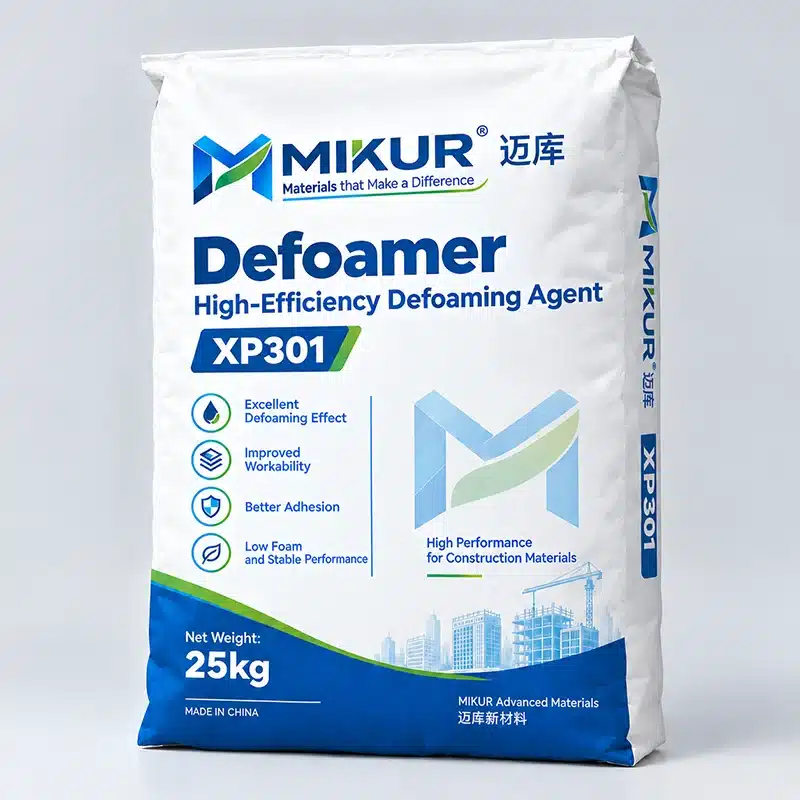
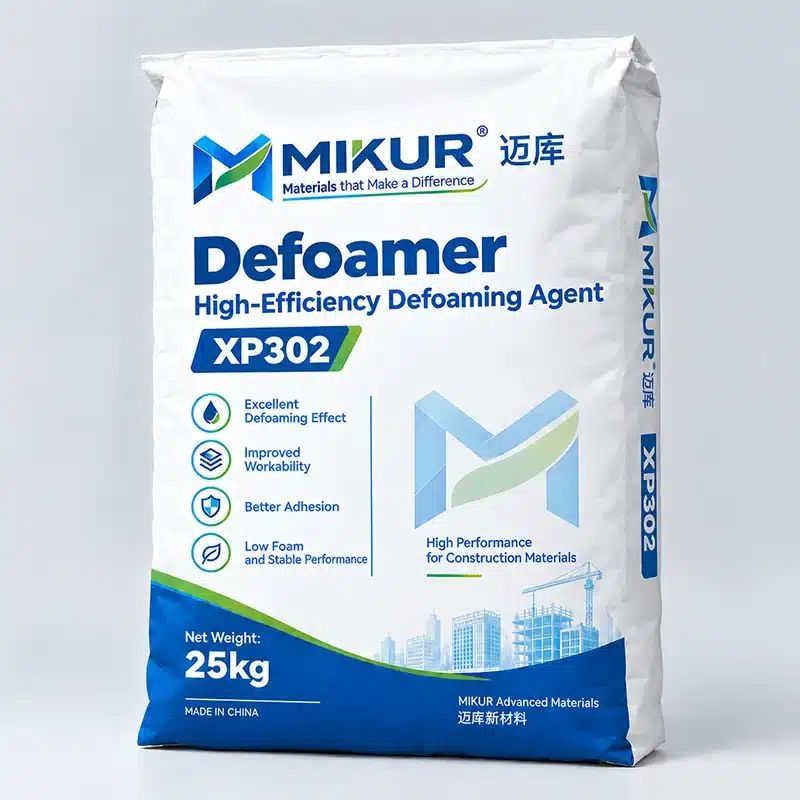
MIKUR Powder Defoamer Series

Suitable for cement-based and gypsum-based systems, with fast defoaming, long-lasting foam control, good compatibility, and excellent dispersion.

Developed for a wide range of cement-based materials, with reliable defoaming and foam-control performance in cement-based systems.

Technical Data

ModelAppearanceBulk DensityMoisture ContentPH ValueActive ContentDefoaming EfficiencyApplications
XP-301White fine powder380-550 kg/m³≤3.0% (20℃)6.5-8.0≥92%≥90%Cement-based and gypsum-based systems
XP-302White fine powder380-550 kg/m³≤3.0% (20℃)6.5-8.0≥92%≥90%Various cement-based materials, including ordinary Portland cement, sulfoaluminate cement, and cement-based systems containing slag, fly ash, and other mineral components
deformer in concrete

High Defoaming Efficiency

During high-speed mixing, pumping, and trowel application, mortar continuously entrains air. Formulations containing water reducers, cellulose ethers, and other admixtures are especially prone to forming stable foam. If foam remains in the mortar for an extended period, it can affect uniformity and the final surface appearance.

One of the key advantages of this Powder Defoamer is its fast response. Once added to the system, it quickly acts on the foam film, breaks larger bubbles, and helps release entrained air. This rapid action is particularly valuable for products such as self-leveling mortar, grouting materials, and plastering mortar where surface quality is critical.

From a production perspective, high defoaming efficiency helps the mixed mortar return to a stable state faster. During application, it helps reduce pinholes, pockmarks, and other defects caused by air bubbles accumulating at the surface. The result is not simply less foam, but a cleaner, more uniform mortar condition and easier control of the finished surface.

Key benefits:

Long-Lasting Foam Control

For many mortar systems, the real challenge is not the foam immediately after mixing, but re-foaming later in the process. During transport, pumping, vibration, spreading, and trowel application, the slurry is still exposed to shear and disturbance, allowing foam that has already been removed to reappear.

A high-performance defoamer therefore needs more than instant foam removal; it also needs sustained foam-control performance. After rapidly breaking foam in the initial stage, the product continues to suppress new foam formation and helps keep foam levels stable through subsequent application steps.

This is particularly important on site. Self-leveling mortar, for example, may go through mixing, conveying, spreading, and defoaming roller treatment. If the defoamer works only during mixing, excessive foam may return during spreading, resulting in pinholes and surface defects. Long-lasting foam control extends the effective foam-control window and helps product performance better match real application conditions.

Key benefits:

deformer powder
deformer agent china

Excellent Compatibility

Mortar is not a single material; it combines cement, sand, fillers, cellulose ethers, redispersible polymer powder, water reducers, and other components. If a defoamer significantly interferes with any one of these admixtures, it may trigger changes in flowability, segregation, bleeding, or surface quality.

Compatibility is therefore a key factor in whether a defoamer can be successfully incorporated into an industrial formulation. A highly compatible product is not simply one that can be added to everything; it should disperse well and perform effectively in common cement-based systems while minimizing interference with other functional admixtures.

For formulation engineers, this makes it easier to identify a suitable addition window during product introduction. For production teams, it helps maintain formulation stability when changing batches or dealing with raw-material variation. Compatibility becomes especially important in more complex formulations such as self-leveling mortar, tile adhesive, and grouting materials.

Key benefits:

Designed to Minimize Impact on Mortar Strength and Setting Time

For mortar products, foam control is only one objective. Strength, setting time, and the application window are equally important. If adding a defoamer significantly changes the setting profile or adversely affects hardened mechanical performance, reducing surface foam alone is not enough to make the product practical.

The application approach of this product is to control harmful air bubbles and improve system density at an appropriate dosage and with proper formulation matching, while minimizing disruption to the original setting process. In other words, foam control is achieved without sacrificing the basic performance of the mortar.

For customers, this translates into two practical benefits: first, the formulation’s strength design does not need to be fundamentally changed because of the defoamer; second, familiar open time, setting behavior, and downstream application procedures can remain relatively stable. For specific projects, small-scale trials are still recommended based on the cement, water reducer, sand, and environmental conditions to confirm formulation compatibility.

Key benefits:

silicone deformer

Why Choose MIKUR Defoamer?

As a manufacturer of Defoamer Powde, MIKUR provides global partners with consistent product quality, water-resistant performance, localized technical support, and product solutions tailored to project requirements.

High Defoaming Efficiency

Rapidly reduces harmful air bubbles while suppressing re-foaming, helping improve material density and surface quality.

Multiple Grades

Targeted Powder Defoamer grades are available for cement-based, gypsum-based, self-leveling, grouting, and repair mortar systems.

Good Formulation Compatibility

Good compatibility with PCE, RDP, HPMC, and other construction admixtures, with grade and dosage adjustable according to the actual formulation.

Sample Testing

Product selection, sample testing, and dosage adjustment recommendations are provided based on the customer's formulation, raw materials, and performance requirements.

Defoamer Applications In Various Field

Defoamer agent is mainly used in concrete, dry-mix mortar, self-leveling cement, gypsum products, putty, building waterproof coatings, tile adhesives, grouting materials and architectural latex paints to eliminate bubbles generated during mixing and construction, reduce voids and pinholes, and improve the compactness, strength and surface flatness of materials.

deformer application in mortar

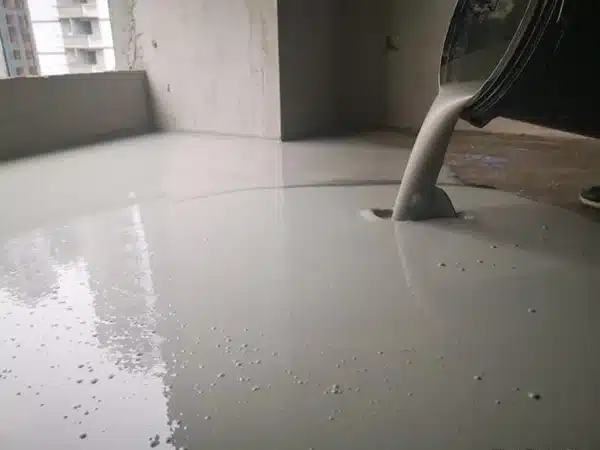
Self-Leveling Mortar

Effectively suppresses bubbles generated during mixing and application, reducing pinholes, pockmarks, and other surface defects while helping improve the flatness and density of self-leveling layers.
Defoamer supplier

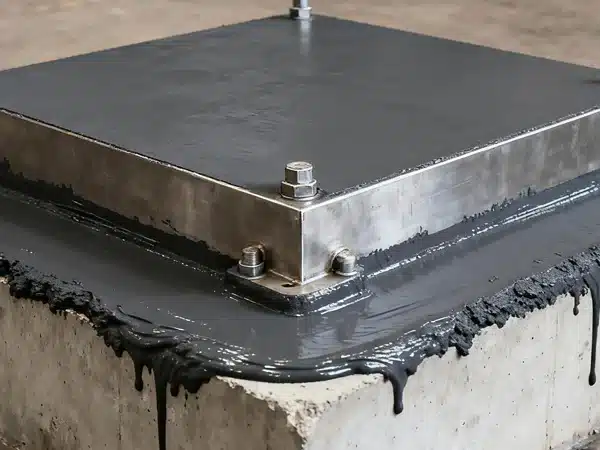
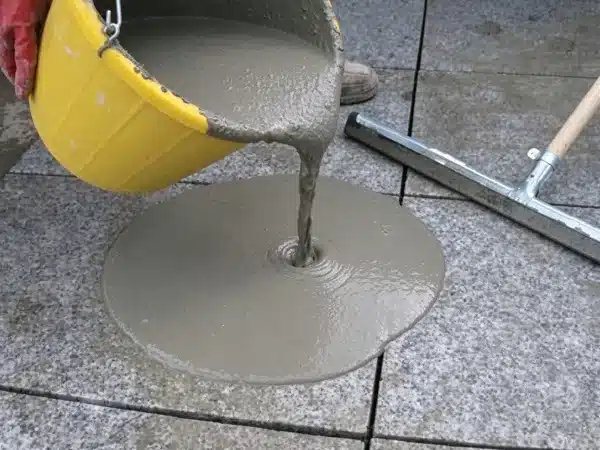
Bearing Mortar

Designed for applications requiring high flowability and high density, Mikur Defoamer effectively reduces entrained air and improves mortar density, helping enhance overall performance and application stability.
Defoamer agent

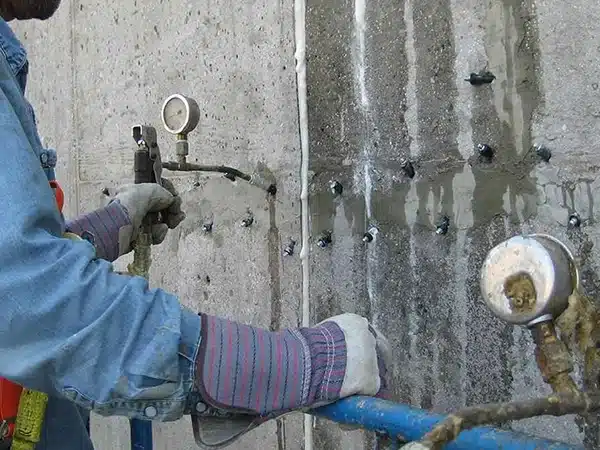
Grouting Material

Suitable for applications such as prestressed duct grouting. Defoamer effectively suppresses and eliminates harmful air bubbles in the grout, reduces porosity, and helps improve grout density and filling quality.
Defoamer for grout

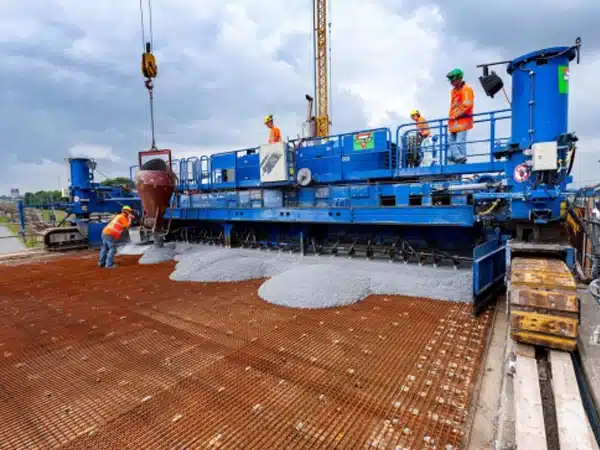
Injection Grout

Designed for highly flowable grouting materials that are prone to entraining air during application. It effectively breaks and suppresses foam, reducing the adverse impact of internal air bubbles on grout density and application performance.
concrete defoamer

High-Performance Concrete

UHPC (Ultra-High-Performance Concrete) Designed for low water-to-binder ratios, high powder content, and high viscosity, it helps control the generation and retention of air bubbles during mixing, reduce harmful air content, and improve material density and surface appearance.

defoamer agent for gypsum

Gypsum Product Series

Gypsum can readily entrain air during mixing, resulting in excessive pores, surface pinholes, and reduced strength. Adding a defoamer helps eliminate air introduced during mixing and improve density, smoothness, and strength.

Typical Defoamer Applications

Ready-Mixed Concrete

A large ready-mixed concrete project in Africa used MIKUR concrete defoamer to eliminate internal air bubbles and improve concrete density and surface appearance. Through formulation adjustment and on-site trials, the product reduced harmful air content by more than 3.5% and effectively reduced pinhole defects on cast concrete surfaces. The project has used the product continuously for two years, saving more than $800,000 in concrete repair costs.

Southeast Asian Infrastructure Grouting

MIKUR supplied one container of cement-based material defoamer for a tunnel grouting project in Southeast Asia. After ocean freight and inland transportation, the product was safely delivered to the construction site. The grade provides fast foam control, stable defoaming performance in highly alkaline environments, and good compatibility with polycarboxylate water reducers, helping maintain stable grout density and supporting reliable tunnel grouting operations.

Powder Defoamer FAQ

What is a Concrete Defoamer?

Powder Defoamer is a powdered foam-control material used in dry-mix mortar, cement-based materials, and gypsum-based materials. It helps reduce harmful air bubbles generated during mixing and application while improving material flowability, density, and surface quality.

Powder Defoamer is widely used in dry-mix mortar, cement-based self-leveling mortar, grouting materials, repair mortar, waterproof mortar, cement mortar, and gypsum-based materials. Different Powder Defoamer grades can be selected according to the material system and performance requirements.

Cement-based materials can generate air bubbles during mixing, while admixtures such as PCE, RDP, and HPMC may also affect foam stability. Proper use of a cement-based defoamer can reduce excessive air content, minimize pinholes and air voids, and help improve material density and surface appearance.

A common reference dosage is approximately 0.01%–0.10% of the total dry powder material. Actual dosage depends on the cement, sand, PCE, and other admixtures in the formulation. Small-scale trials and dosage-gradient testing are recommended to determine the optimum level.

Yes. Powder Defoamer can generally be used together with PCE polycarboxylate water reducers, RDP, HPMC, and other construction admixtures. In highly flowable self-leveling and grouting systems, proper matching of PCE and defoamer helps balance flowability, air content, and surface quality.

Self-leveling mortar has high requirements for flowability, surface flatness, and air-bubble control. The appropriate self-leveling mortar defoamer should be selected based on the cement system, PCE type, filler composition, and target flowability, with dosage confirmed through actual formulation testing.

Grouting materials generally require good flowability and density. Highly flowable formulations may generate significant air bubbles during mixing and grouting. A suitable grouting material defoamer helps control harmful air bubbles, improve grout density, and enhance the surface quality after hardening.

No. Defoamer dosage should be controlled within an appropriate range. Excessive addition may affect air content, flowability, and other system properties. The appropriate grade and dosage should therefore be determined through testing with the specific formulation.

MIKUR offers Powder Defoamer grades for different application requirements.

XP-301: General-purpose Powder Defoamer for cement-based, gypsum-based, and other dry-mix materials.

XP-302: Powder Defoamer for cement-based systems, mainly used in cement-based self-leveling mortar, grouting materials, repair mortar, concrete, and related systems, with a focus on fast defoaming and sustained foam control.

Final grade selection should be based on the customer’s formulation and actual test results.

When selecting a Powder Defoamer supplier, key factors include product stability, grade options for different systems, batch consistency, sample-testing support, and formulation technical service. For export and long-term procurement, packaging, storage stability, and supply capacity should also be considered.

Yes. MIKUR can recommend suitable Powder Defoamer grades based on the customer’s application, formulation, and performance requirements, and provide sample testing and dosage adjustment recommendations.

If you are looking for a cement-based defoamer, dry-mix mortar defoamer, or self-leveling mortar defoamer, you can provide your formulation, key raw materials, or current defoamer grade. MIKUR can recommend a suitable product based on the actual application.

Get A Quote