Starch Ether for Tile Adhesive, Gypsum Plaster & Dry-Mix Mortar
Rheology Control
Anti-Sagging
Better Workability
MIKUR Hydroxypropyl Starch Ether (HPS) is a modified starch ether used in cement-based and gypsum-based dry-mix formulations.
It is mainly added to adjust mortar rheology, improve anti-sagging performance and provide a smoother application feel. HPS is commonly used together with cellulose ethers such as HPMC or HEMC, especially in tile adhesive, gypsum plaster, wall putty and other dry-mix mortar applications.
Fast Thickening & Water Retention
MIKUR HPS provides rapid thickening and good water retention, helping improve the consistency and stability of cement- and gypsum-based mortar.
Effective at Low Dosage
HPS can deliver a noticeable thickening and rheology-modifying effect at a low addition level, making it suitable for formulations where dosage efficiency is important.
Improved Anti-Sagging Performance
HPS helps increase the structural stability of fresh mortar and improve resistance to sagging, particularly in materials applied to vertical surfaces.
Better Lubricity & Workability
HPS provides good lubricity, helping mortar feel smoother during mixing, spreading and troweling. It can improve the overall handling and application performance of the material.

SR701 silicone hydrophobic agent is made by encapsulating small-molecule silane with protective colloids and an anti-caking agent. It can be used in mortar and concrete products to help reduce water absorption, minimize the effects of moisture, and improve stain resistance. It is suitable for high-strength, high-flow specialty mortars and gypsum-based products.
| Model | Appearance | Bulk Density | Active Content | Dosage | Shelf Life | Applications |
|---|---|---|---|---|---|---|
| SR701 | White Powder | 500-800 kg/m³ | 30–60% (customizable according to requirements) | 0.1%~0.3% | 6 months | Rigid waterproof mortar, polymer waterproof mortar, cementitious tile grout, colored mortar, microcement, ETICS (External Thermal Insulation Composite Systems) basecoats and topcoats, precast concrete (paving blocks, artificial stone), decorative concrete surfaces, mineral-based powder coatings, repair mortar, and other mineral-based building material systems requiring water repellency. |
Hydroxypropyl Starch Ether, commonly known as HPS, is an ionic starch ether produced from natural starch through a series of chemical and physical reactions under alkaline conditions.
HPS is a non-toxic and odorless material available as an irregular flake or white powder. It can dissolve in cold water to form a transparent or translucent viscous solution.
Hydroxypropyl Starch Ether is mainly used in construction mortars. It can affect the consistency of gypsum-, cement- and lime-based mortars, helping to improve workability and anti-sagging performance. Starch ether is commonly used together with Hydroxypropyl Methylcellulose Ether (HPMC).
With its cost-effective performance, HPS can partially replace more expensive construction additives in certain formulations. Even at a low dosage, it can provide effective thickening and rheology modification.
In dry-mix mortar, HPS can improve workability, reduce sticking to the trowel and enhance the adhesion of the mortar to the substrate.
There is no single HPS grade that works best for every mortar.
The selection normally depends on:
Type of mortar
Cement or gypsum system
Sand and filler characteristics
HPMC / HEMC grade and dosage
Polymer powder content
Required anti-sagging performance
Desired application feel
Mixing and application conditions
For a new formulation, we recommend testing the HPS at a low dosage first and then adjusting the level according to the target consistency and application performance.
MIKUR can provide samples for customers to test with their own raw materials.
Fast Thickening & Water Retention
HPS provides rapid thickening and good water retention, helping improve the consistency and stability of construction mortar.
Effective at Low Dosage
A low addition level can deliver an effective thickening and rheology-modifying effect, helping formulators optimize additive dosage and formulation cost.
Improved Anti-Sagging Performance
HPS increases the structural stability of fresh mortar and helps improve anti-sagging performance, particularly in materials applied to vertical surfaces.
Better Lubricity & Workability
HPS provides good lubricity, making mortar smoother and easier to mix, spread and trowel. It can also reduce sticking to the trowel and improve the overall application feel.
As a manufacturer of building waterproofing chemicals, MIKUR provides global partners with consistent product quality, water-resistant performance, localized technical support, and product solutions tailored to project requirements.
Customers can test HPS with their own formulation and raw materials before placing a larger order. If you provide your mortar type, current formulation and target performance, our team can recommend a starting HPS grade and dosage for testing.
Different formulations require different rheological characteristics. We help customers select the appropriate HPS grade according to the final application.
HPS can be evaluated together with MIKUR HPMC or HEMC to optimize the balance between water retention, viscosity, rheology and workability.
Different formulations require different rheological characteristics. We help customers select the appropriate HPS grade according to the final application.
Silicone hydrophobic powder can be used in a variety of cement-based and mineral-based dry-mix mortar systems, providing stable water-repellent protection for different materials.

Used in skim-coat adhesives, insulation mortars, and similar materials in exterior wall insulation systems, it reduces water absorption and the penetration of rainwater and moisture, helping improve water resistance and durability.
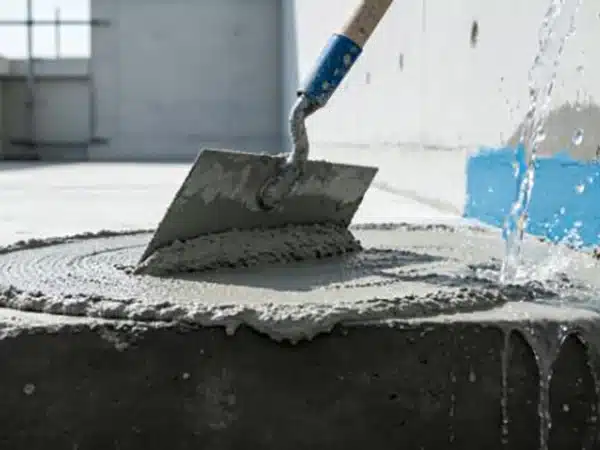
Improves the overall water repellency of mortar, reduces capillary water absorption and moisture penetration, and helps improve water and moisture resistance. Suitable for building waterproofing and protection projects.
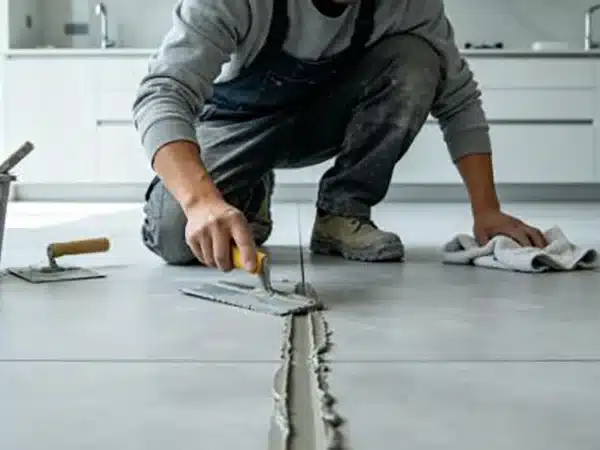
Reduces water absorption by joint-filling materials and limits moisture entering joints and substrates, helping improve water resistance, durability, and long-term performance.
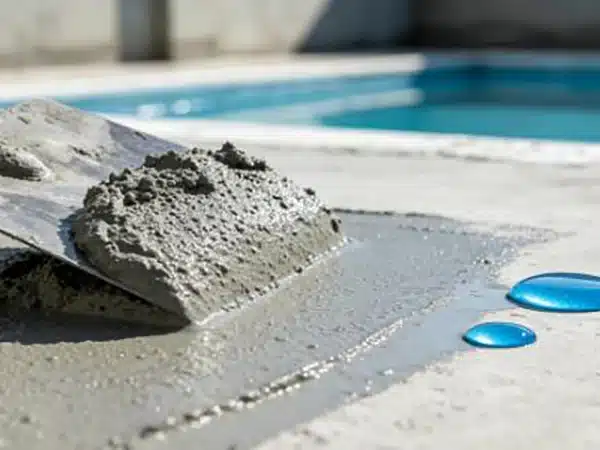
Reduces water absorption by repair materials and limits moisture entering repaired areas, helping improve the water resistance and durability of repair layers. Suitable for the repair and maintenance of concrete and cement-based substrates.
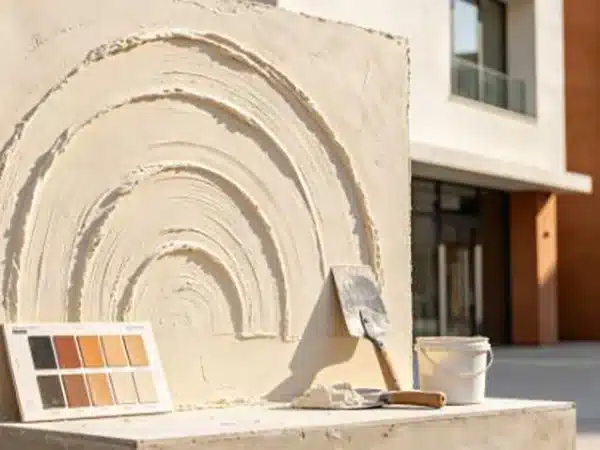
Used in various architectural decorative mortars, it provides good water repellency, reduces the effects of rain and moisture on decorative layers, and helps maintain the appearance and long-term performance of finishes.
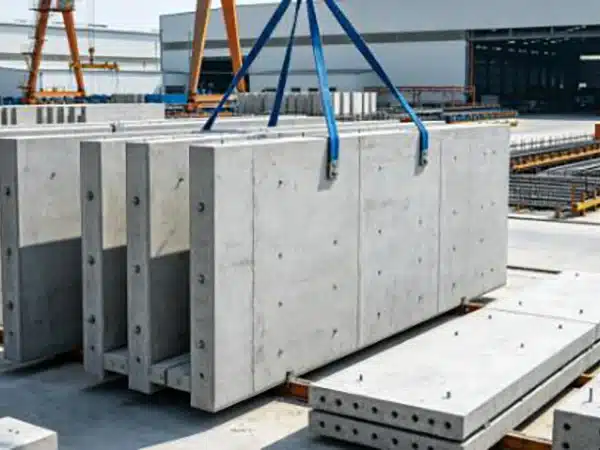
Reduces water absorption in precast concrete and limits liquid water penetration. It also provides resistance to UV exposure and temperature variations, helping extend concrete service life while making the substrate surface less prone to dust and contaminant buildup and easier to clean.

Three samples were prepared:
| Sample | HPS Dosage | Test Result |
|---|---|---|
| Sample 1 | 0 kg | Smooth and soft application feel, but tile displacement occurred after installation. |
| Sample 2 | 0.5 kg | Smooth application feel with no visible tile displacement after installation. |
| Sample 3 | 1.0 kg | Smooth application feel with no visible tile displacement. After 1 minute, the tile was progressively loaded up to 1 kg without visible displacement. |
Test Results
The comparison showed a clear difference in tile slip resistance as the HPS dosage increased.
Conclusion
Under the conditions of this comparative test, 0.5 kg HPS provided a good balance between application feel and tile slip resistance, while 1.0 kg HPS provided stronger anti-sagging and slip-resistance performance.
The optimum HPS dosage should be determined according to the complete tile adhesive formulation and the required application performance.
The test compared the plaster formulation with and without starch ether during application.
Test Observation
The addition of HPS improved the anti-sagging performance of the lightweight gypsum plaster.
The modified plaster showed better stability on the substrate during application, helping the material remain in place and providing better support for subsequent leveling and finishing work.
Application Benefits
Conclusion
The test demonstrates that HPS can provide useful rheological control in lightweight gypsum plaster formulations. Its anti-sagging effect can help improve the stability of fresh plaster and support subsequent leveling and finishing operations.
The optimum HPS dosage should be determined according to the gypsum type, filler, cellulose ether and other components used in the formulation.
Hydroxypropyl Starch Ether (HPS) is a modified starch ether used in construction materials. It is mainly used to adjust rheology, improve anti-sagging performance and enhance application properties.
Different starch ether grades can provide different rheological effects. When selecting a suitable HPS grade, the following factors should be considered:
Viscosity
Choose the viscosity grade according to the required level of anti-sagging and rheology control. Higher viscosity grades generally provide a stronger thickening effect, but the optimum level depends on the overall mortar formulation.
Particle Size
Finer particles generally disperse more easily in dry-mix formulations and can help reduce the risk of undissolved agglomerates or “fish eyes” during mixing.
Purity
A high-purity starch ether can help minimize unwanted effects on the properties of the finished mortar. Purity should be evaluated together with the required rheological performance and dosage.
The effect of HPS depends on the formulation and dosage, but it is mainly used for the following purposes.
Improve Anti-Sagging Performance
In vertical applications such as tile adhesive and wall plaster, the fresh mortar needs enough structure to remain on the substrate after application.
HPS can increase the structural stability of the wet mortar and help reduce sagging or excessive sliding.
Adjust Rheology
HPS changes the flow behavior of the mortar during mixing and application.
This is useful when a formulation needs to maintain a balance between easy troweling and sufficient structure after application.
Improve Application Feel
At an appropriate dosage, HPS can improve the smoothness and consistency of mortar during spreading.
The actual effect depends on the cement, gypsum, filler, sand, cellulose ether and other additives used in the formulation.
Work Together with Cellulose Ether
HPS is frequently used with HPMC or HEMC.
HPMC mainly contributes to water retention, viscosity and general workability, while HPS provides additional rheology control and anti-sagging properties.
The combination allows formulators to adjust the mortar more precisely instead of relying on a single additive.
HPS and HPMC have different functions, although both can influence the rheology and workability of mortar.
Material | Main Contribution |
HPMC | Water retention, viscosity and workability |
HPS | Rheology adjustment, anti-sagging and consistency |
HPMC + HPS | Combined control of water retention, rheology and application properties |
For example, in a tile adhesive formulation, increasing HPMC may significantly change water retention and viscosity, while HPS can be used to fine-tune rheology and anti-sagging behavior.
Therefore, HPS should not simply be considered a cheaper substitute for HPMC. The two products are often used together to achieve the required formulation balance.
Tile adhesive is one of the main applications for Hydroxypropyl Starch Ether.
During vertical tile installation, the adhesive needs sufficient slip resistance while remaining easy to spread with a notched trowel.
HPS can help improve the rheological balance of the adhesive and reduce tile slip after application.
Typical Benefits
Improved anti-sagging performance
Better slip resistance
Improved troweling
More consistent application
Better rheology control
HPS is normally used together with HPMC in tile adhesive formulations. The appropriate combination depends on the cement type, sand grading, polymer content, cellulose ether grade and other formulation components.
HPS can be used in gypsum plaster and other gypsum-based dry-mix products where rheology and application properties need to be adjusted.
It helps control the consistency of the fresh plaster and can improve the feel during spreading and finishing.
Typical Applications:
Gypsum plaster
Gypsum-based repair mortar
Joint filler
Gypsum-based skim coat
Other gypsum dry-mix products
The suitable HPS grade and dosage should be selected according to the gypsum system and required application properties.
Synergy with Cellulose Ethers
Works synergistically with cellulose ethers to improve anti-sagging performance, water retention and workability. The recommended dosage is 0.05%–0.30%, depending on the formulation.
Yes. MIKUR can provide HPS samples for customers to evaluate in their own formulations. Contact us with your application and required quantity.