High-performance polycarboxylate superplasticizer solutions for concrete and dry-mix mortar, delivering high water reduction and excellent workability.
25–40% Water Reduction*
0.1–0.5% Typical Dosage*
2–6h Slump Retention*
MIKUR mainly produces silicone hydrophobic agent for a wide range of applications. They can be used in concrete, dry-mix mortar, rendering mortar, and other cement-based materials to meet different project requirements for water repellency, water resistance, and weather durability.
This silicone hydrophobic agent is one of our main products for building protection. It is mainly used in exterior wall rendering, waterproof mortar, decorative concrete, road engineering, and other inorganic building material applications. It helps reduce water penetration into the substrate, improving moisture-related problems and reducing the risk of leakage, efflorescence, mold growth, and substrate corrosion.
In addition to standard models, we can adjust the product solution according to the substrate type, application environment, and performance requirements of each project. The product offers stable performance and good compatibility with cement-based materials. After application, it does not significantly affect the substrate’s original strength, breathability, or appearance, while helping maintain its inherent characteristics.
To help ensure reliable application results, we also provide free samples, dosage and formulation guidance, and on-site formulation adjustment support. Selecting the right product and dosage for the specific material and project conditions can provide stable water-repellent and water-resistant performance and, to some extent, help extend the service life of building materials.

| Model | Appearance | Bulk Density | Active Content | Dosage | Shelf Life | Applications |
|---|---|---|---|---|---|---|
| SR701 | White Powder | 500-800 kg/m³ | 30–60% (customizable according to requirements) | 0.1%~0.3% | 6 months | Rigid waterproof mortar, polymer waterproof mortar, cementitious tile grout, colored mortar, microcement, ETICS (External Thermal Insulation Composite Systems) basecoats and topcoats, precast concrete (paving blocks, artificial stone), decorative concrete surfaces, mineral-based powder coatings, repair mortar, and other mineral-based building material systems requiring water repellency. |
Internal Water Repellency
Mikur Silicone Hydrophobic Agent uses a targeted penetrating formulation for porous cement-based materials such as concrete, dry-mix mortar, cement rendering, and inorganic stone. After application, the active ingredients penetrate into the substrate and react with its mineral components to form a water-repellent protective structure. Unlike treatments that rely only on a surface coating, this approach helps protect the material from within and is less prone to peeling or blistering caused by everyday abrasion, rain, and long-term exposure to sun and wind. It is therefore well suited to applications where long-term protection is important.
Key benifits:
Surface Water Repellency
After proper curing and hardening, Mikur Silicone Hydrophobic Agent forms a uniform micro- and nanoscale water-repellent protective film on cement-based substrates, stone, and wall surfaces. Rain, dew, condensation, and cleaning water form droplets on the treated surface and run off more readily, reducing standing water and residual water films. Good water repellency also helps limit dirt buildup, dark staining, water marks, mold, and efflorescence caused by prolonged exposure to moisture, making subsequent cleaning and maintenance easier. It is suitable for exterior walls, roofs, and landscape materials.
Key benifits:
Moisture and Water Resistance
This product helps reduce capillary water rise within the substrate and the entry of external rainwater, minimizing the effects of moisture on cement-based materials. It can help reduce moisture-related risks in concrete, mortar, and walls under rainy weather, high humidity, underground dampness, and saline or alkaline moisture conditions, while improving problems such as dampness, water penetration, mold, efflorescence, surface peeling, hollowing, and cracking. By improving the pore structure and compactness of the substrate, it can help maintain mechanical performance and slow aging, powdering, and corrosion. It is particularly suitable for rainy regions, underground projects, coastal environments with high salt spray, and humid industrial facilities.
Key benifits:
Clear Protective Effect
Mikur Silicone Hydrophobic Agent uses a clear modified silicone formulation without added pigments or fillers. Once cured, it does not form a heavy surface layer and has little impact on the substrate’s original color. When used on concrete, exterior wall mortar, natural stone, cultured stone, and decorative wall surfaces, it helps retain the original texture, color, and finish, making it suitable for building materials where appearance matters. The product also maintains good breathability and water-vapor permeability: while limiting liquid water entry, it allows moisture inside the substrate to escape, helping reduce the risk of hollowing, cracking, and delamination caused by trapped moisture.
Key benifits:
As a manufacturer of building waterproofing chemicals, MIKUR provides global partners with consistent product quality, water-resistant performance, localized technical support, and product solutions tailored to project requirements.
Based on materials research, MIKUR has developed its own silicone hydrophobic agent technology system. The company holds multiple invention patents and continues to develop its products, with a focus on improving water repellency, weather resistance, and compatibility with different building materials.
With more than 30 years of experience in the R&D and production of silicone hydrophobic agents, our team is familiar with different building materials and outdoor environments and can provide technical support for common application challenges.
We operate multiple production facilities with a total annual capacity of up to 120,000 tons. Whether for small trial orders, bulk purchases, or long-term overseas projects, MIKUR can arrange stable supply according to order requirements.
Different substrates, application environments, and construction methods require different hydrophobic solutions. MIKUR provides product selection, on-site dosage testing, free samples, and technical guidance, and can adjust the product solution according to actual conditions.
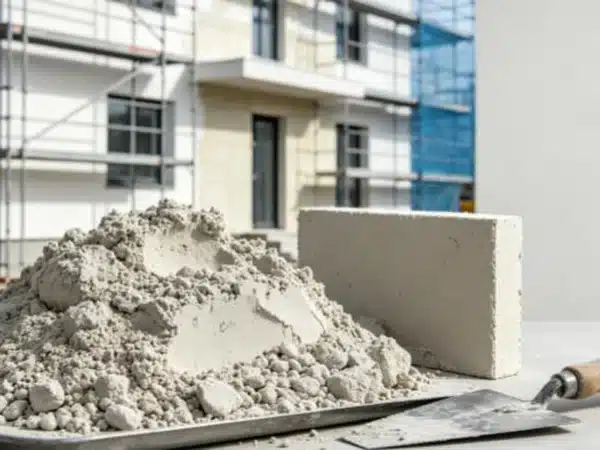
Silicone hydrophobic powder can be used in a variety of cement-based and mineral-based dry-mix mortar systems, providing stable water-repellent protection for different materials.

Used in skim-coat adhesives, insulation mortars, and similar materials in exterior wall insulation systems, it reduces water absorption and the penetration of rainwater and moisture, helping improve water resistance and durability.
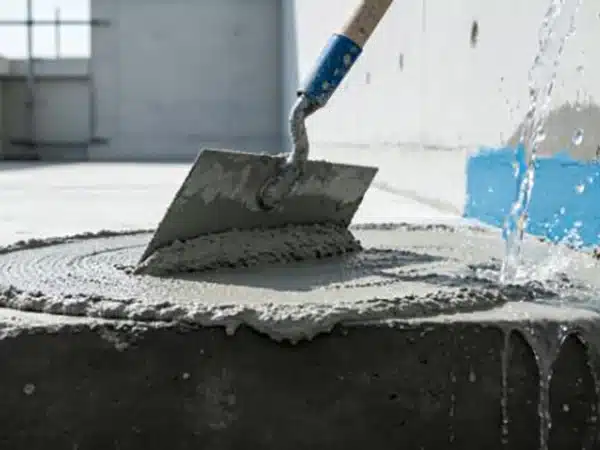
Improves the overall water repellency of mortar, reduces capillary water absorption and moisture penetration, and helps improve water and moisture resistance. Suitable for building waterproofing and protection projects.
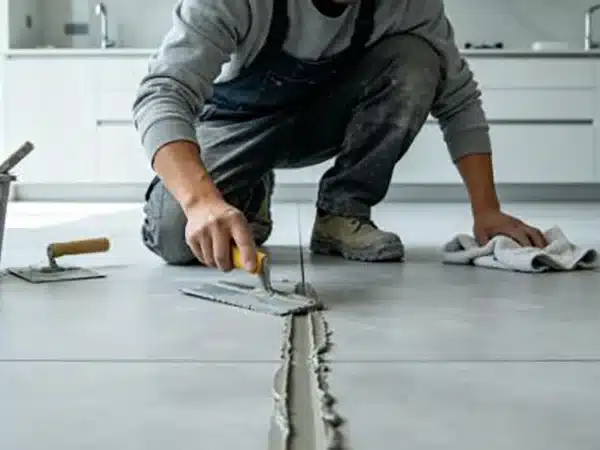
Reduces water absorption by joint-filling materials and limits moisture entering joints and substrates, helping improve water resistance, durability, and long-term performance.
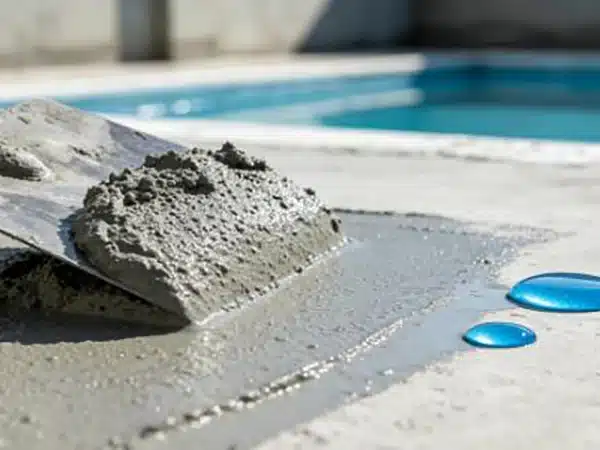
Reduces water absorption by repair materials and limits moisture entering repaired areas, helping improve the water resistance and durability of repair layers. Suitable for the repair and maintenance of concrete and cement-based substrates.
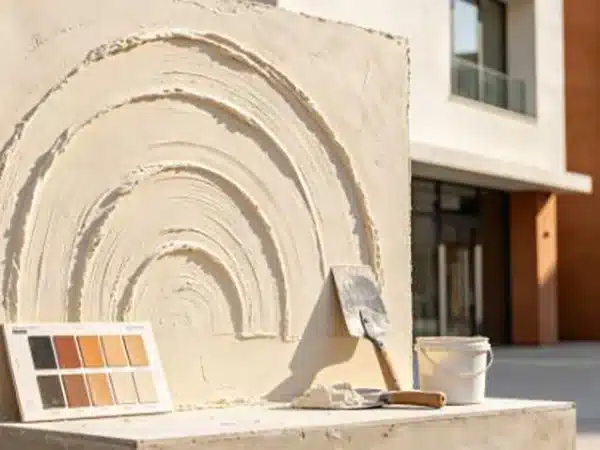
Used in various architectural decorative mortars, it provides good water repellency, reduces the effects of rain and moisture on decorative layers, and helps maintain the appearance and long-term performance of finishes.
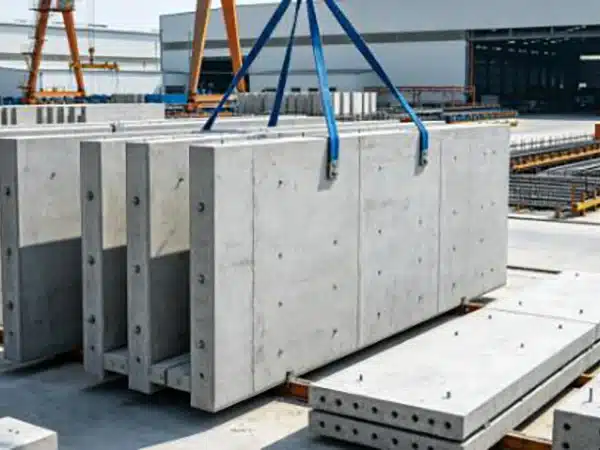
Reduces water absorption in precast concrete and limits liquid water penetration. It also provides resistance to UV exposure and temperature variations, helping extend concrete service life while making the substrate surface less prone to dust and contaminant buildup and easier to clean.

Application: Concrete Roof Waterproofing and Renovation
MIKUR silicone hydrophobic agent was used in a large roof renovation project in East China. Through on-site spray application and formulation testing, the hydrophobic agent penetrated the capillary pores of the concrete and formed a water-repellent protective layer, reducing substrate water absorption by more than 35% and helping reduce rainwater penetration, efflorescence, and mold growth. After four years of outdoor exposure, the project had accumulated savings of more than RMB 950,000 in roof leakage repair costs.
Application: Coastal Port Infrastructure in Southeast Asia
MIKUR supplied two containers of silicone hydrophobic agent for a coastal port infrastructure project in Southeast Asia. The products were safely delivered to the construction site by sea and inland transportation. The selected hydrophobic agent provided a penetration depth of ≥3 mm, good retention of water repellency, and salt-spray resistance. It is suitable for high-temperature, high-salinity coastal environments, helping reduce the rate of chloride-ion penetration and delay corrosion of reinforcement inside concrete, providing long-term protection for port structures.
Silicone hydrophobic agent is a dry, powder-form hydrophobic additive for cement-based and mineral-based dry-mix materials. Once the material comes into contact with water, the active ingredients are released and form a water-repellent structure within the matrix. This reduces capillary water absorption and helps improve water resistance and long-term durability.
Silicone hydrophobic powder is used in a range of cement-based and mineral-based building materials, including waterproof mortar, exterior wall insulation mortar (ETICS/EIFS), tile grout and joint fillers, repair mortar, decorative mortar, colored mortar, microcement, precast concrete, and mineral-based powder coatings. It can also be used where a silicone water repellent effect is needed in a dry-mix formulation.
In dry-mix mortar, silicone hydrophobic agent helps reduce water absorption and moisture penetration while improving water repellency. It can also reduce the risk of efflorescence. Because it is supplied as a powder, it can be blended directly with cement, sand, and other dry ingredients, making it convenient for industrial mortar production. For formulations that need a hydrophobic agent for mortar, the final performance should be confirmed through formulation testing.
The appropriate dosage depends on the application, raw materials, formulation, and target water absorption. Cement type, sand characteristics, and the rest of the formulation should all be considered. Laboratory trials are recommended before production to determine the suitable product grade and dosage. Typical dosage ranges for some similar products are around 0.1%–1.0%, but the actual dosage should follow the product’s technical data and formulation test results.
Yes. Silicone hydrophobic powder can be formulated with RDP (redispersible polymer powder), cellulose ethers, and other dry-mix mortar additives. Their functions are different: the hydrophobic powder mainly reduces capillary water absorption, while RDP contributes to bonding, flexibility, and film formation. The right ratio should be established through formulation trials to balance water repellency, bond strength, and workability.
Yes, it can help reduce the risk of efflorescence. Moisture moving through a cement-based material can carry soluble salts toward the surface; when the moisture evaporates, those salts may appear as efflorescence or whitening. By reducing capillary water absorption and moisture movement, silicone hydrophobic powder can lower this risk. However, efflorescence is also affected by cement, aggregates, curing conditions, and ambient humidity, so a hydrophobic additive alone cannot eliminate the problem completely.
At a suitable dosage and with a compatible formulation, silicone hydrophobic powder can improve water repellency while maintaining good workability. The effects on flow, setting time, and strength can vary with the product and the overall formulation, so practical testing is recommended. Avoid excessive dosage to maintain a good balance between water repellency and mechanical performance.
Store silicone hydrophobic powder in a dry, cool, well-ventilated place and protect it from moisture and direct sunlight. During production, blend it thoroughly with cement, sand, and other dry ingredients so the active ingredients are evenly distributed. Storage life, packaging, and handling requirements should follow the applicable TDS and SDS.
For projects that require a silicone water repellent or a water repellent for mortar, product selection and dosage should be matched to the substrate, formulation, and required performance. MIKUR can provide product samples, dosage guidance, and formulation support for application testing.