Improve concrete and mortar performance with our advanced water reducer, offering efficient water control, enhanced flowability, and lasting mix consistency.
25–40% Water Reduction*
0.1–0.5% Typical Dosage*
2–6h Slump Retention*
Mikur specializes in the research, development, manufacturing, and supply of water reducers. As a water reducer manufacturer, we provide high-quality solutions for concrete applications across building construction, bridges, tunnels, water infrastructure, and other projects.
Our water reducers are formulated to reduce water demand while supporting concrete workability, strength, and durability. By improving mix efficiency, they can also help reduce overall construction costs. Mikur operates with modern production equipment and a rigorous quality control system to ensure consistent product quality and meet applicable standards and customer requirements.
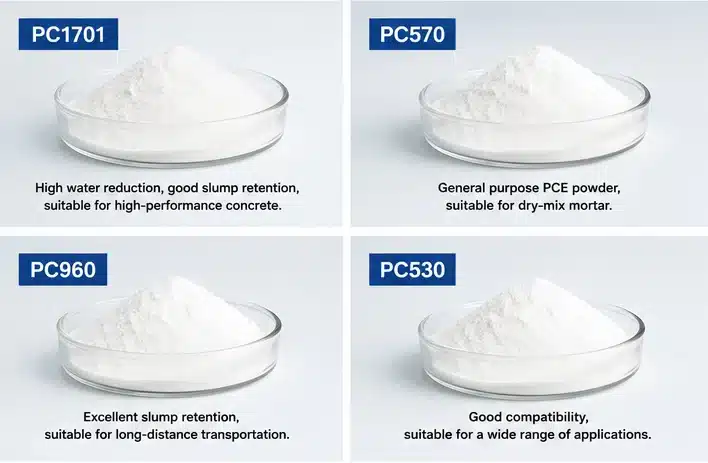
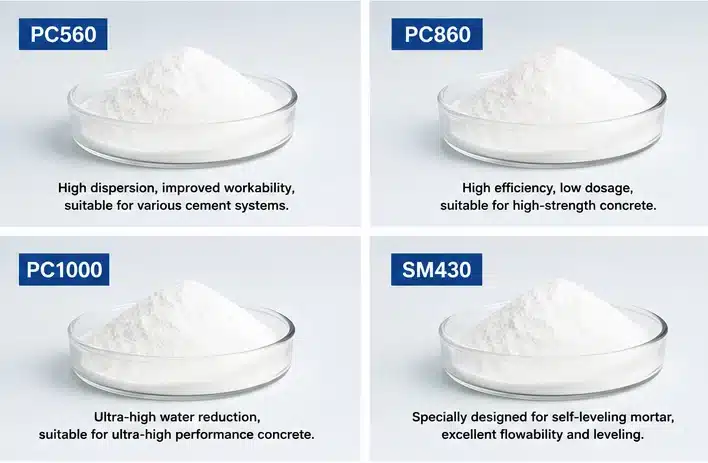
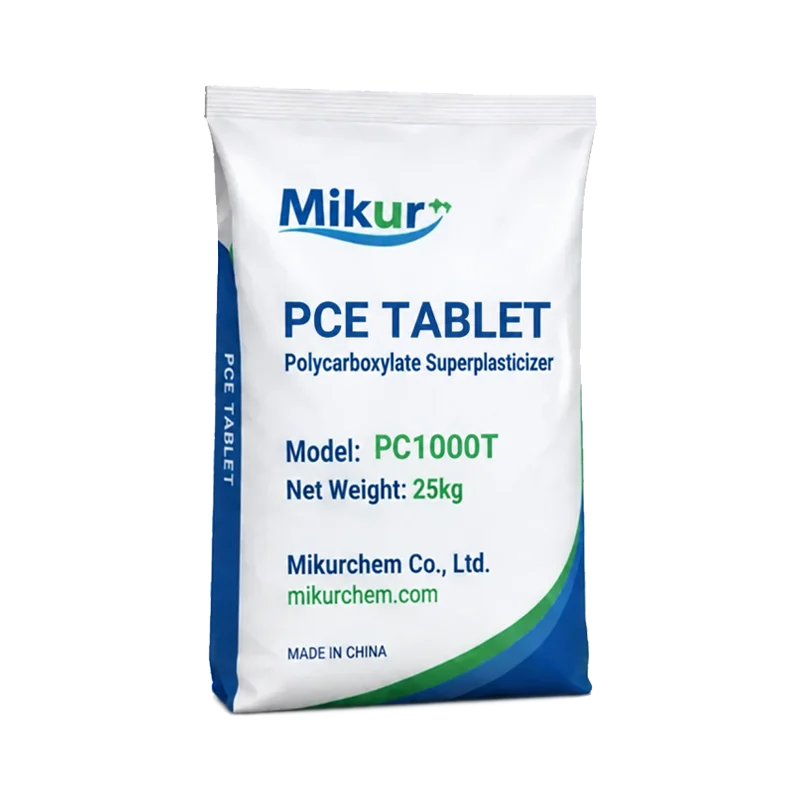
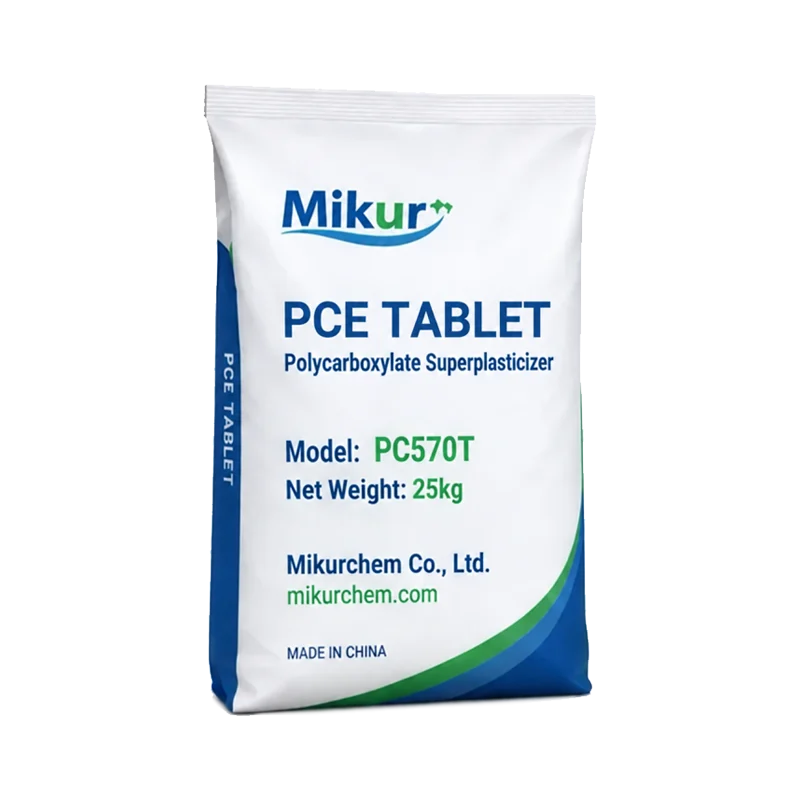
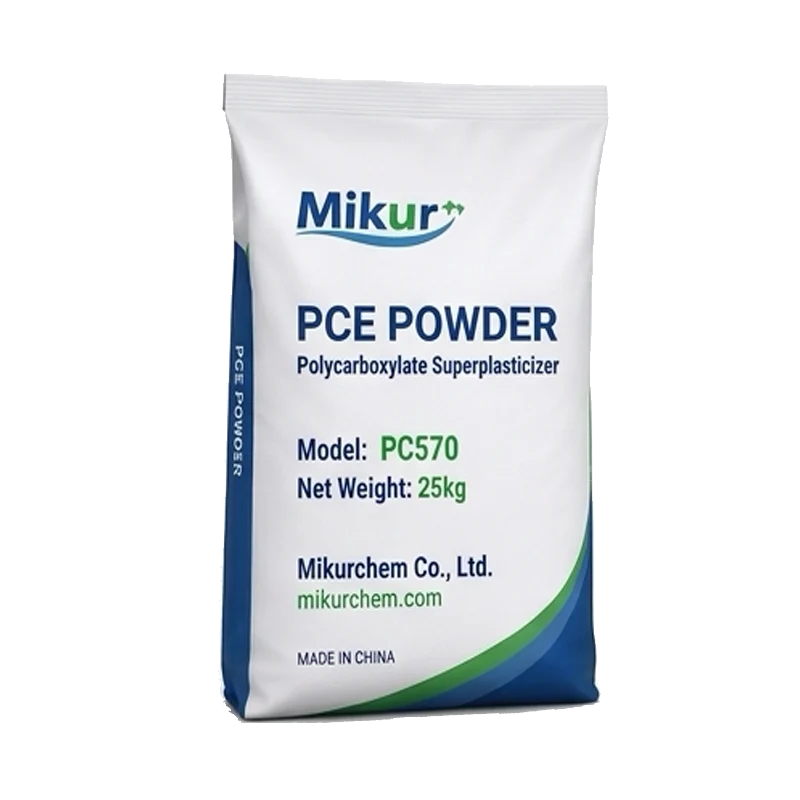
Mikur offers water reducers in multiple forms, including powder, tablet, and liquid formats.
If you are looking for a reliable water reducer manufacturer or need product pricing and application guidance, please contact Mikur. Our technical team provides application support and after-sales service to help you achieve consistent performance throughout your project.


| Model | Bulk Density | Moisture Content | Water Reduction Rate | pH | Dosage | Applications |
|---|---|---|---|---|---|---|
| PC570 | 450 -700 kg/m³ | ≤4% | ≥35% | 7-9 | 0.06-0.3% | Various cementitious binder systems, including UHPC and RPC formulations with very low water-to-binder ratios |
| PC570T | 450 -700 kg/m³ | ≤4% | ≥35% | 7-9 | 0.1-0.4% | Designed for gypsum systems, including gypsum self-leveling compounds, gypsum-based precast components, and other gypsum-based building materials, as well as concrete components |
| PC1000T | 450 -700 kg/m³ | ≤4% | ≥35% | 7-8 | 0.03-0.2% | Mortar and concrete systems, including grouting materials, injection grouts, self-leveling compounds, repair mortars, and ultra-high-performance concrete |
| BTC-100L | 1.08±0.02 kg/liter | / | ≥15% | 4-6 | 0.1%-0.2% | Especially suitable for concrete applications requiring extended flow retention, high-temperature slump retention, low- to medium-slump retention, and precast pumping |
Based on solids content, the typical dosage of polycarboxylate ether water reducer in C30 concrete is only 0.08%–0.15% of the total binder conten. PCE water reducers can also be used to produce ultra-high-strength concrete with compressive strengths above 100 MPa, while achieving water reduction rates of more than 35%. At comparable strength or load-bearing requirements, this efficiency can allow greater use of supplementary cementitious materials in place of cement clinker or help reduce the total amount of concrete required, supporting lower carbon emissions in concrete production.
Compared with many other water reducers, Mikur water reducer formulations can help concrete retain its flowability with less loss over time. However, cement types, aggregate quality, and ambient temperature vary significantly between applications. Where faster workability loss occurs, the water reducer may need to be used in combination with a retarding agent or slump-retention component.
Polycarboxylate ether water reducers combine high water reduction with effective concrete strength enhancement while helping control shrinkage. According to Mikur test data, concrete containing our water reducer showed lower drying shrinkage, with an average 28-day shrinkage ratio of 85%–110%, compared with 125%–135% for concrete using other water reducers.
Polycarboxylate ether water reducers have low total alkali content and are used at relatively low dosages, which can help reduce the risk of aggregate-related reactions in concrete. They also contain very little chloride and do not rely on highly volatile chemicals such as formaldehyde or acetone. This helps reduce the risk of reinforcement corrosion. The manufacturing process is designed with energy efficiency and safety in mind, and the product is intended to minimize environmental impact during production and use.
As a professional water reducing agent manufacturer, we deliver consistent quality, reliable performance, competitive pricing, and responsive technical support for global customers.
Backed by an experienced technical team, Mikur develops its water reducer formulations in-house, with a focus on efficient water reduction and reliable slump retention.
We can adjust formulations according to project requirements and tailor product specifications to match specific site conditions and application needs.
Mikur operates its own water reducer production facility, with sufficient capacity and stable inventory to support continuous supply.
Mikur is a direct manufacturer of water reducer products, with experience serving infrastructure, building construction, and precast concrete projects. For comparable performance specifications, our direct supply model can offer competitive pricing.
PCE Polycarboxylate Superplasticizer offers high water reduction, excellent workability, slump retention, and strong compatibility with different cementitious materials. It is widely used in ready-mix concrete, precast concrete, high-performance concrete, dry-mix mortar, and specialty mortar, providing stable, efficient, and customizable solutions for diverse construction and production needs.

Water reducer can improve the flowability and pumpability of grouting materials without compromising strength, while lowering the water-to-cement ratio, reducing cement demand, and improving construction efficiency.
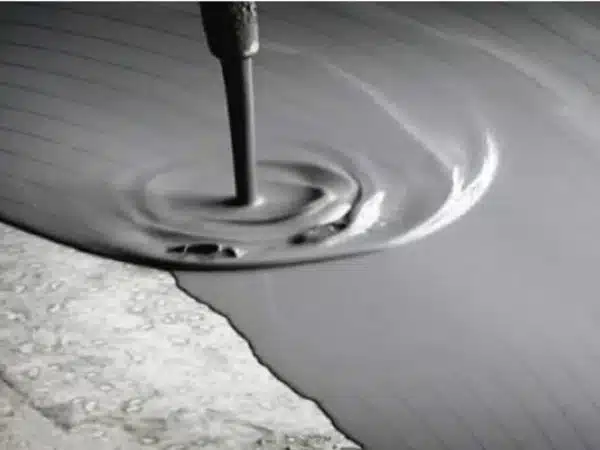
Adding water reducer to cement-based self-leveling mortar can significantly lower viscosity and help control flow, while reducing air voids and pores within the mix.
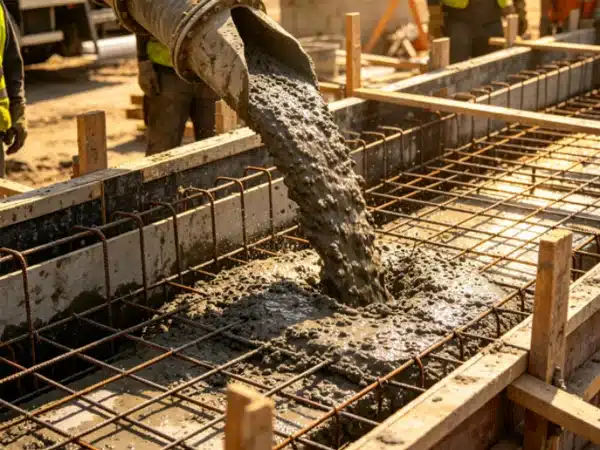
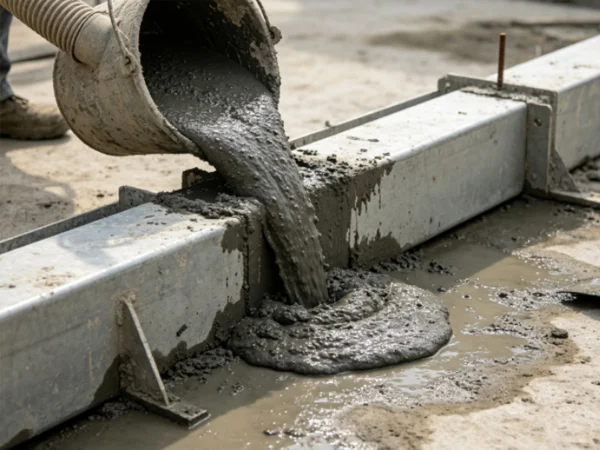
By reducing mixing water while maintaining a similar slump, water reducer helps balance flowability and strength requirements, making it an important admixture for cast-in-place concrete construction.
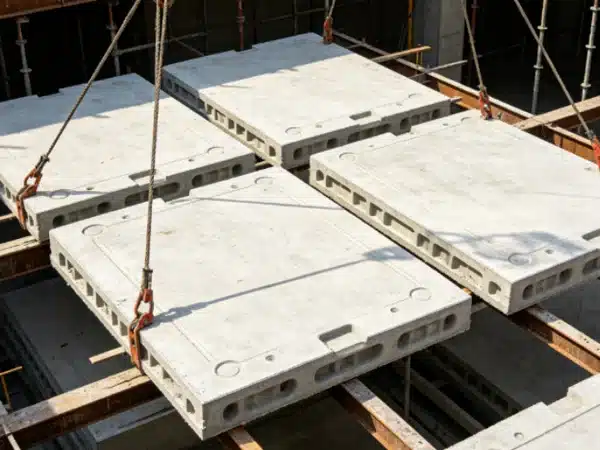
Water reducer can reduce cement consumption in precast concrete, supporting energy savings and lower emissions. It can also improve concrete flowability, enhance crack resistance, and help reduce volumetric shrinkage.
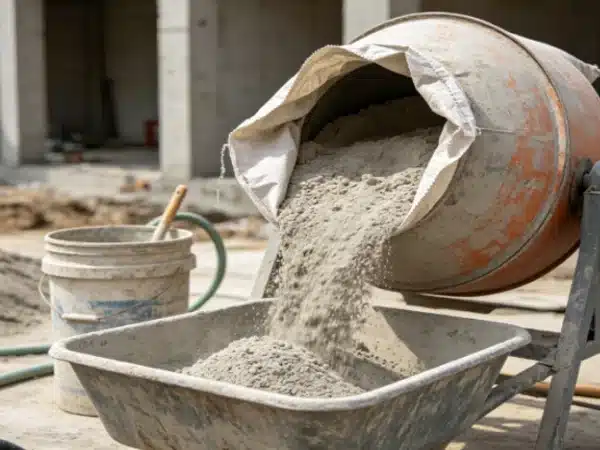
Water reducer lowers the water demand of dry-mix mortar. It can achieve the required workability with less mixing water, with the degree of water reduction generally increasing as the dosage is increased.

Water reducer offers good compatibility with gypsum systems, helping improve early and later-age strength, support better shrinkage and creep performance, and shorten mixing time.

Mikur water reducer serves three main purposes: first, it reduces the amount of mixing water required for concrete; second, it improves concrete workability; and third, it can reduce cement demand and help lower overall project costs.
A water reducer works by adsorbing onto cement particle surfaces and disrupting the flocculated structure formed by cement particles. This releases water trapped within the flocs, allowing the concrete to become more fluid without increasing the total amount of mixing water.
A suitable water reducer can be selected through the following practical steps:
Define the concrete strength grade, performance requirements, ambient construction temperature, and transportation distance.
Confirm the cement and supplementary cementitious materials used on the project, select a compatible water reducer type, conduct preliminary laboratory trials, adjust the dosage, and establish the final addition procedure.
If the dosage exceeds the appropriate range, the concrete may experience bleeding and segregation, reducing mix uniformity. Excessive dosage can also extend setting time, delay formwork removal, and in some cases affect later-age strength.
Manufacturers typically provide a recommended dosage range as an important reference. However, the final dosage should be determined through concrete trial mixes under actual project conditions. Trial batching is therefore essential before full-scale application.
Start by checking the cement itself. Ambient temperature and humidity are also important factors. The performance of the water reducer matters as well: insufficient slump-retaining components or poor compatibility with the cement can contribute to rapid slump loss.
Control the dosage: excessive water reducer is one of the most common causes of bleeding and segregation. Select the appropriate product: bleeding behavior varies among water reducer types. Polycarboxylate-based water reducers generally provide high water reduction, while formulations with longer molecular chains and higher molecular weight may show less bleeding but slightly lower water reduction.
In many cases, the difference is caused by jobsite variables rather than the product itself. Changes in aggregate moisture, cement batches, temperature, mixing time, and fly ash quality can all affect the condition and performance of concrete.
At low temperatures, cement hydration slows and the dispersing activity of the water reducer can decrease, which may result in stiff concrete, poorer flowability, and reduced pumpability. For winter construction, a cold-weather or early-strength water reducer can be selected, the dosage can be adjusted as needed, and sufficient mixing time should be maintained to support normal construction performance.
No complex testing is required for an initial site check. First, observe flowability: at the same dosage, the concrete should maintain good flow without becoming stiff. Second, check stability: the mix should not rapidly bleed or segregate during standing. Third, check slump retention: the concrete should not dry out or lose slump rapidly within 30 minutes. Fourth, assess the hardened condition: the surface should be dense, without hollow areas or cracking, and the required strength should be achieved. Poor-quality water reducers may show weak initial performance or acceptable early performance followed by later strength loss and quality problems.