Bending Testing Machine
This machine is mainly used for bending test of metal materials such as bars, plates and rebar for construction. The testing machine is loaded by a bidirectional hydraulic cylinder, and the distance between the support rollers is adjusted by the handwheel and can be self-locking.
PRINCIPLE
HST Bending Testing Machine meet the growing demand for accurate and repeatable bending testing of metallic materials in accordance with ASTM and ISO specifications.
SOLVING PAIN POINTS
Digital display forward and reverse bending testing machine is driven by hydraulic power source, which consists of four parts: test host, oil source (hydraulic power source), standard bending indenter and reverse bending device. The maximum test force is 400kN.
Product List/Specifications Comparison
系列 | 容量/产量 | 功率范围 | 特色 |
ICE-JET | 3KG-40KG | 500W – 800W | 压力可调,适用于生产线维护 |
ICE-PEL S | 15KG-60KG | 1.5kW – 4kW | 全自动干冰颗粒机,生产高密度、食品级干冰颗粒 |
ICE-PEL | 150KG-1000KG | 7.5kW – 44kW | 全自动干冰颗粒机,生产高密度、食品级干冰颗粒 |
Experiential Materials Mechanics Testing
Digital display forward and reverse bending testing machine is used for bending test of metal materials such as bars, plates and rebar for construction. The testing machine is loaded by a bidirectional hydraulic cylinder, and the distance between the support rollers is adjusted by the handwheel and can be self-locking.
Experiential Materials Mechanics Testing
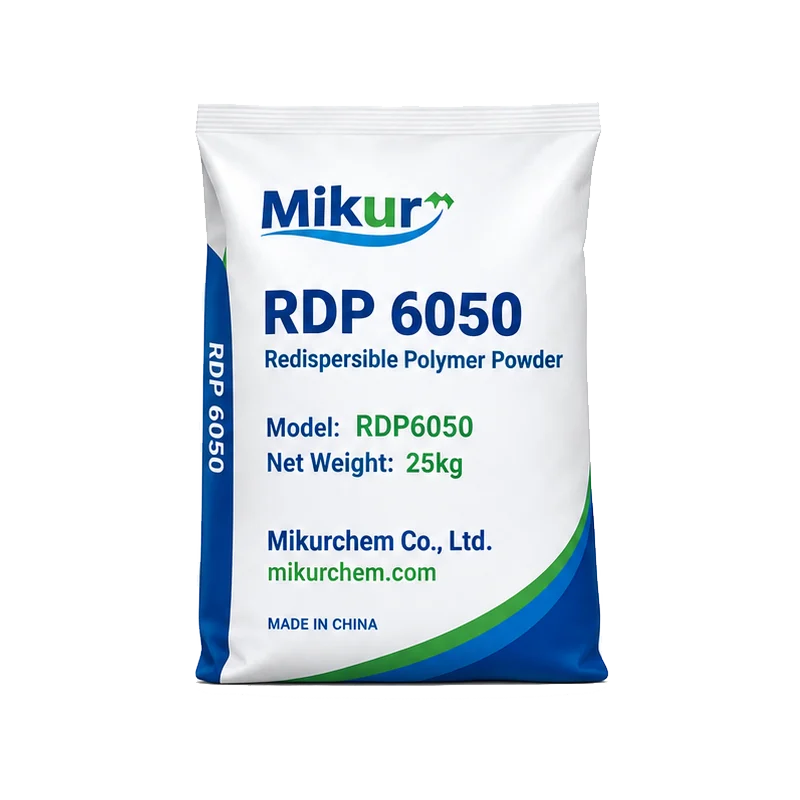
Developed specifically for cement-based materials, it provides excellent defoaming and foam suppression in cement-based systems and is suitable for ordinary Portland cement, sulfoaluminate cement, and cement-based systems containing slag, fly ash and other mineral components. Typical Applications:Cement Mortar · Concrete · Cement-Based Self-Leveling · Grouting Materials · Repair Mortar Recommended Dosage: 0.03–0.10%
Suitable for cement-based and gypsum-based systems, with fast defoaming, persistent foam suppression, good compatibility and excellent dispersibility. Typical Applications:Cement Mortar · Concrete · Self-Leveling · Grouting Materials · Gypsum Mortar · Gypsum Self-Leveling · Gypsum Board Recommended Dosage: 0.03–0.10%
PR101 gypsum retardant is used to slow the early hydration and setting of gypsum, helping extend the workable time of gypsum slurry. It is suitable for the production and application of various gypsum-based building materials. The actual dosage should be determined through trials based on the gypsum type, formulation, and target setting time.
SR701 silicone hydrophobic agent is made by encapsulating small-molecule silane with protective colloids and an anti-caking agent. It can be used in mortar and concrete products to help reduce water absorption, minimize the effects of moisture, and improve stain resistance. It is suitable for high-strength, high-flow specialty mortars and gypsum-based products.
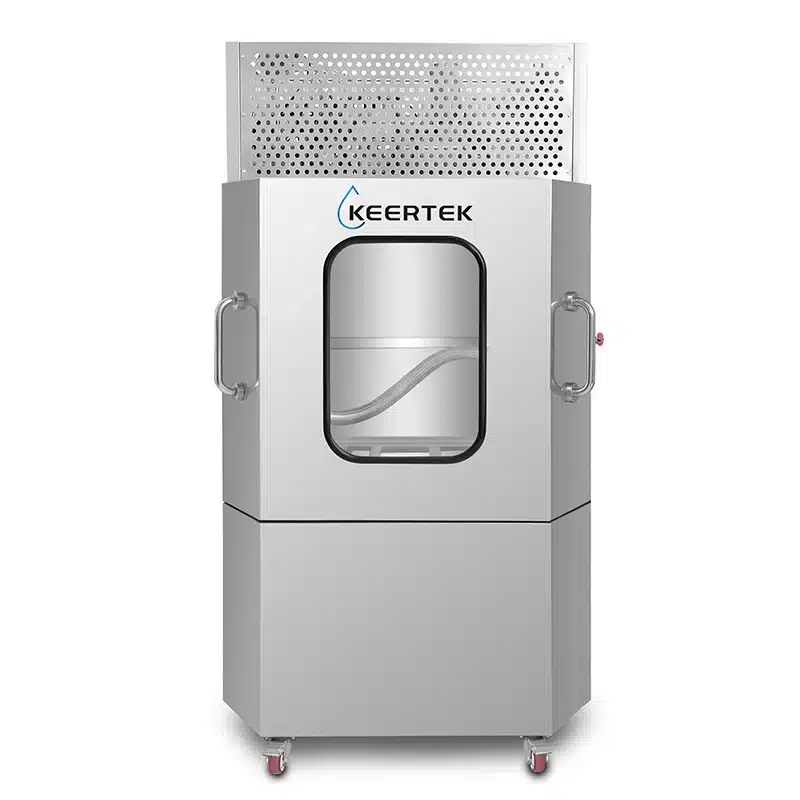
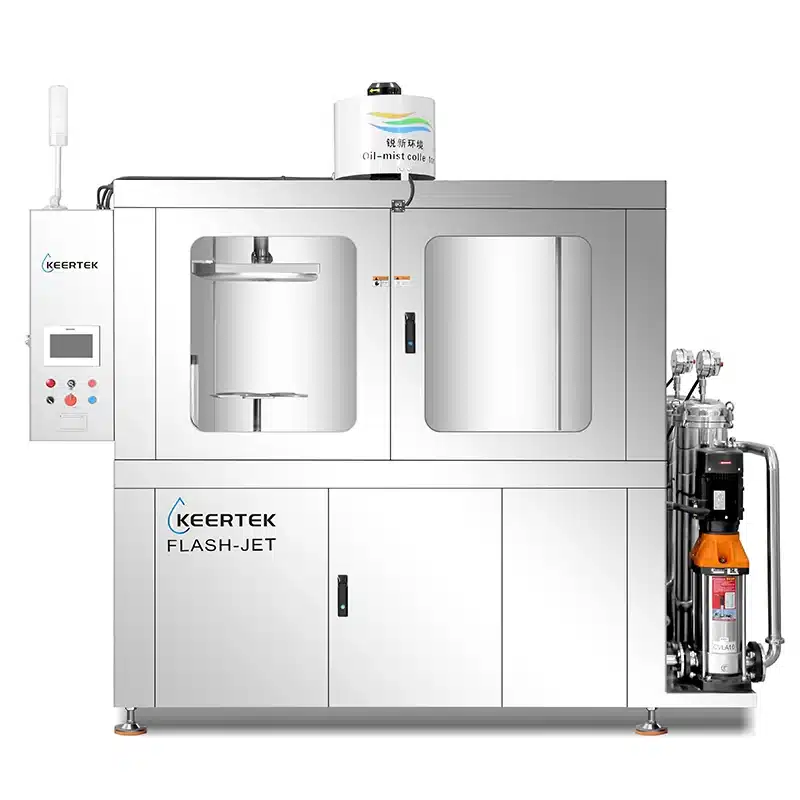
Flash-JET Eco particulate filter cleaning machine is a machine that cleans all kinds of air filters of industrial vehicles (buses, trucks, construction equipment, air conditioners, and dust collectors). Learning from advanced experience in the international and China market, it is the first professional machine in China which uses the only force of the water to […]
Flash-JET Pro particulate filter cleaning machine is a machine that cleans all kinds of air filters of industrial vehicles (buses, trucks, construction equipment, air conditioners, and dust collectors). Learning from advanced experience in the international and China market, it is the first professional machine in China which uses the only force of the water to […]
Experiential Materials Mechanics Testing
Add Your Heading Text Here
Lorem ipsum dolor sit amet, consectetur adipiscing elit. Ut elit tellus, luctus nec ullamcorper mattis, pulvinar dapibus leo.
Add Your Heading Text Here
Lorem ipsum dolor sit amet, consectetur adipiscing elit. Ut elit tellus, luctus nec ullamcorper mattis, pulvinar dapibus leo.
Add Your Heading Text Here
Lorem ipsum dolor sit amet, consectetur adipiscing elit. Ut elit tellus, luctus nec ullamcorper mattis, pulvinar dapibus leo.
Experiential Materials Mechanics Testing
General FAQs
What is a Bend Test?
A bend test measures the behavior of materials subjected to bending forces, providing insights into their ductility, flexibility, and strength.
What are the Types of Bend Tests?
The most common types are the 3-point and 4-point bending tests, which apply force at different points on the specimen to assess its properties.
Why is Bend Testing Important?
Fatigue testing machines are critical across industries such as:
Aerospace: Testing aircraft components (e.g., turbine blades, landing gear) for long-term reliability.
Automotive: Evaluating engine parts, suspension systems, and chassis under repeated road stress.
Manufacturing: Ensuring structural materials (metals, composites, polymers) meet durability standards.
Energy: Assessing wind turbine blades, oil drilling equipment, and power transmission components.
How is Bend Testing Conducted?
The test involves placing a specimen on two supports and applying a uniform, increasing force to measure its bending strength and deformation.
WhatEquipment is Used for Bend Testing?
Bending testing machine and Universal testing machines (UTMs) are essential for conducting bend tests, providing precise control over applied loads.
Join Us To Get Free Consultations
We provide reliable cable tray & support systems with strict quality control, customized solutions, complete accessories and on-time delivery. Backed by professional service and international certifications, we are your trusted long-term partner.