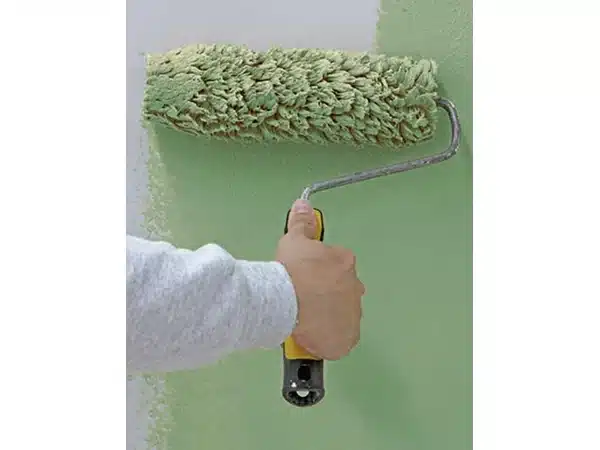
适用于混凝土和干混砂浆的高性能聚羧酸类高效减水剂解决方案,具有显著的减水效果和优异的和易性。.
25–40% 节水*
0.1–0.5% 典型剂量*
2–6小时 坍落度保持*
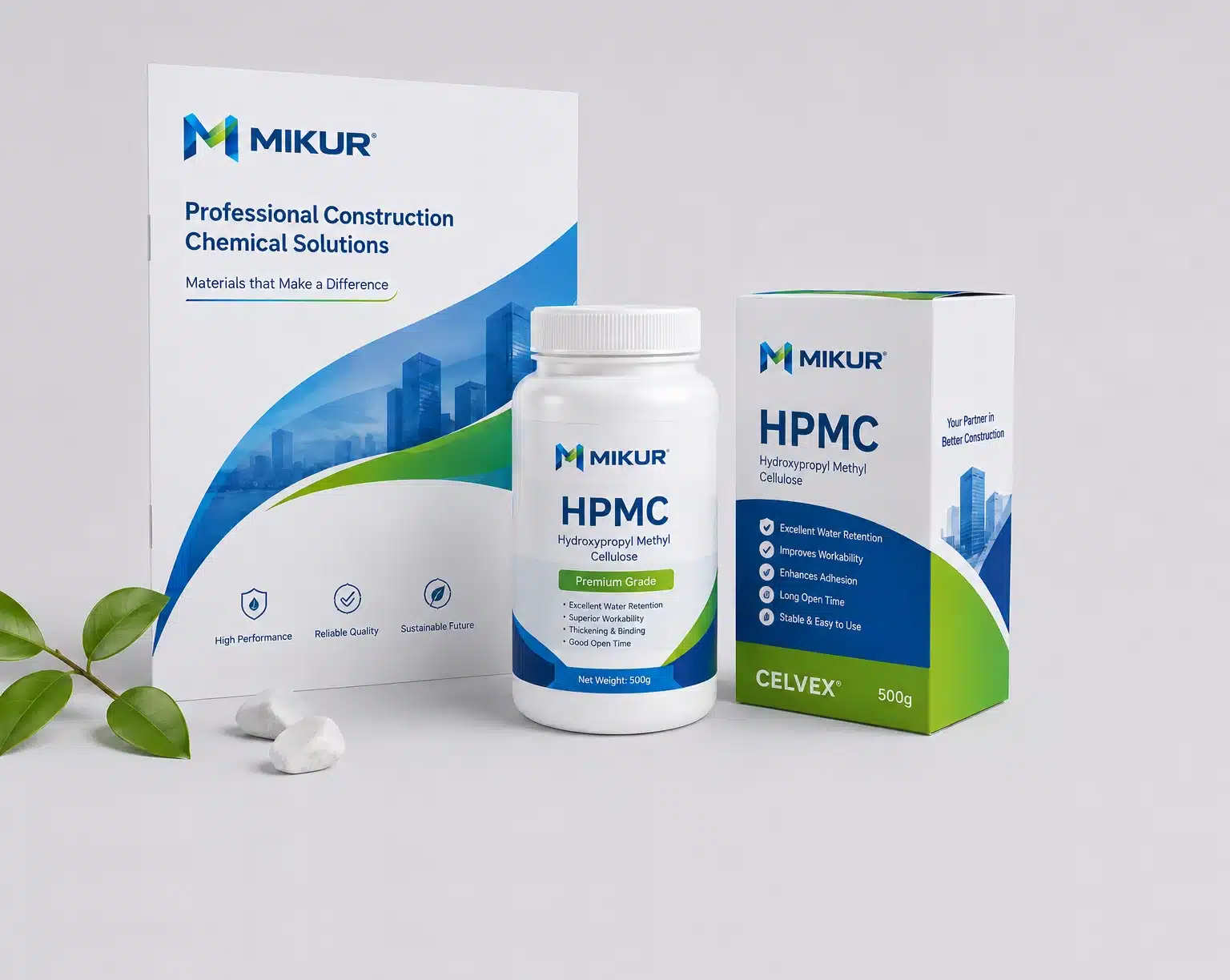
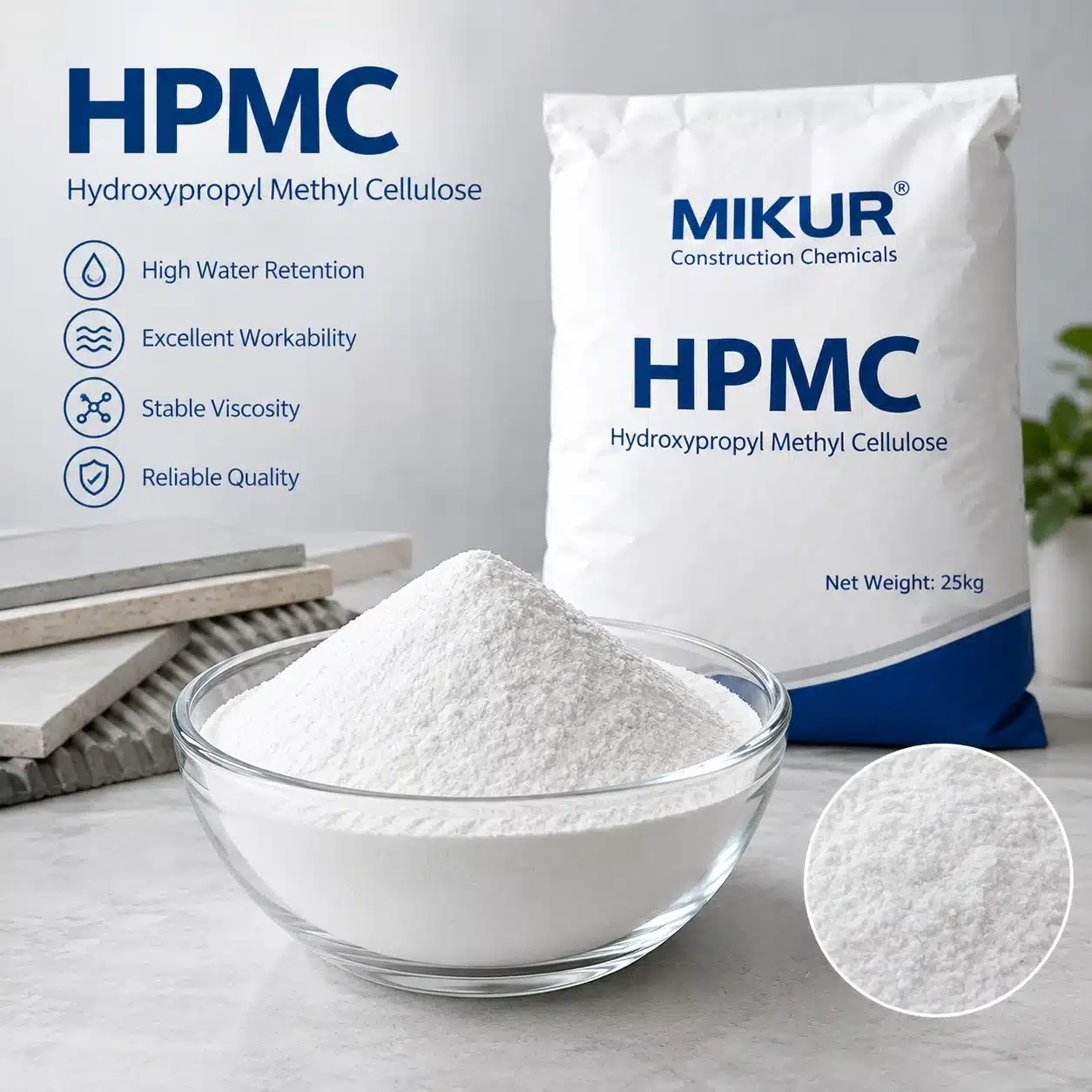
MIKUR supplies Hydroxypropyl Methylcellulose (HPMC), a high-performance non-ionic cellulose ether made primarily from high-quality natural plant fiber (refined cotton) using advanced manufacturing processes. HPMC is typically a white or off-white powder with good water solubility, stability, compatibility and water-retention properties. It is widely used in building materials and various water-based formulations.
HPMC powder can disperse and dissolve rapidly in water and provides thickening, water retention, rheology control, suspension and stabilization in different formulations. An appropriate dosage can improve workability, water retention, sag resistance, open time and formulation stability, helping enhance overall product performance.
In building materials, hydroxypropyl methylcellulose is widely used in tile adhesives, wall putty, plastering mortars, dry-mix mortars, self-leveling mortars, tile grouts, and other cement-based and gypsum-based materials. In tile adhesives, HPMC helps improve water retention, workability and bonding performance; in putty and plastering mortars, it improves workability, water retention and sag resistance; in self-leveling products, it can be selected to adjust rheology and formulation stability according to application requirements.
Beyond building materials, HPMC can also be used in water-based coatings, adhesives, daily chemical products and other water-based systems. With its effective thickening, rheology-control and stabilizing properties, HPMC helps meet different requirements for viscosity control, formulation stability and application performance.
Different HPMC grades and viscosity levels are suited to different applications. MIKUR can recommend suitable HPMC products according to the application, formulation system, substrate and target performance, helping customers meet requirements for viscosity, water retention, workability, open time, sag resistance and formulation stability.
As a professional HPMC manufacturer and supplier, MIKUR provides not only hydroxypropyl methylcellulose products but also product samples, application testing and formulation support. Customers can select an appropriate HPMC grade for their specific product system and determine the suitable specification and dosage through practical testing.
Whether for tile adhesives, wall putty, plastering mortars, dry-mix mortars, self-leveling mortars, water-based coatings or adhesives, selecting the right HPMC requires consideration of the formulation, application requirements and target performance. MIKUR provides professional HPMC cellulose ether solutions for different applications.
| Appearance | White or light yellow powder | White or light yellow powder |
|---|---|---|
| Hydroxypropoxy(%) | 7.0-12.0 | 7.0-12.0 |
| Methoxy(%) | 28.0-30.0 | 19.0-24.0 |
| Mesh number | 98%passed 100 mesh | 98%passed 100 mesh |
| pH | 6.0-8.0 | 6.0-8.0 |
| Moisture(%) | ≤5 | ≤5 |
| Gel temperature(℃) | 54-64(60℃) | 70-90(75℃) |
| Viscosity (2%aqueous solution,20℃, measured by NDJ-1 viscometer) | 10-200000 | 10-200000 |
| Viscosity (2%aqueous solution,20℃, measured by Brookfield RV viscometer) | 10-80000 | 10-80000 |
| HPMC | Viscosity | 应用 |
|---|---|---|
| D04 | 350-450 | Cement-based self-leveling mortar,Road Repair Mortar |
| D08 | 850-1050 | Ceramic,Cement Extrusion,Road Repair Mortar |
| D20 | 1500-3500 | Ceramic,Cement Extrusion,Road Repair Mortar |
| D80 | 6000-10000 | Ceramic,Cement Extrusion |
| D200 | 20000-25000 | Ordinary Putty Powder,Plaster and Diatom Mud Powder Coating For Interior and Exterior Walls |
| D300 | 27000-34000 | Ordinary Putty Powder For Interior and Exterior Walls,Gypsum- based Mortar |
| D500 | 42000-55000 | Ordinary Putty Powder For Interior and Exterior Walls,Tile Adhesive,Bonding Mortar |
| D600 | 55000-70000 | Tile Adhesive,Waterproof Mortar,Plastering Mortar,Glue and Wall Panels |
| D700 | ≥75000 | Tile Adhesive,Surface Modification Putty,Polystyrene Granule Mortar,Surface Modification Putty |
| *Viscosity((2%aqueous solution,20℃,measured by Brookfield RV viscometer)10-200000mpa.s | ||
Retention for Improved Workability
Water Retention and Thickening for Improved Mortar Performance
MIKUR Hydroxypropyl Methylcellulose (HPMC) is a high-performance non-ionic cellulose ether widely used in cement-based and gypsum-based building materials. When dissolved in water, HPMC forms a viscous colloidal system. Through water retention, thickening and rheology control, it slows rapid water loss, provides a suitable moisture environment for cement and gypsum hydration, and improves mortar workability and formulation stability.
Key Advantages
Stable Water Retention and Improved Sag Resistance
For applications in tropical monsoon and hot, humid conditions, MIKUR selects HPMC grades with suitable viscosity, substitution characteristics and gel temperature to help cement-based and gypsum-based materials maintain stable water retention, thickening and rheological performance.
Reference Parameters:
| 项目 | Recommended Parameters |
|---|---|
| HPMC Viscosity | 150,000–200,000 mPa·s |
| Degree of Substitution (DS) | ≥1.8 |
| Gel Temperature | ≥70–85℃ |
| 建议剂量 | 0.25%–0.40% |
| Key Performance | Water Retention, Thickening, Sag Resistance, Application Stability |
Key Advantages
Scientific Formulation: Balancing Water Retention, Sag Resistance, Workability and Water Resistance
MIKUR HPMC formulation solutions combine HPMC with starch ether, water-repellent agents, bentonite and other functional additives. Formulations are adjusted according to the mortar system and target performance.
Through synergy between functional components, the formulation can maintain water retention while further improving sag resistance, workability, water resistance and formulation stability. It is suitable for tile adhesives, wall putty, plastering mortars, waterproof mortars, repair mortars and other building materials.
By controlling the ratio of each component, the formulation avoids relying solely on higher HPMC viscosity or dosage and achieves a more practical balance between water retention, workability, sag resistance, water resistance and cost.
Different mortar products have different requirements for HPMC and functional additives. MIKUR can provide product selection, sample testing and formulation optimization based on the product type, raw materials, application method and target performance.
Key Formulation Advantages
Different Viscosity Levels and Performance Profiles for Different Building Material Formulations
Hydroxypropyl methylcellulose (HPMC) is a commonly used functional cellulose ether in building materials, providing water retention, thickening, rheology control and stabilization. Different HPMC grades vary in viscosity, water retention, dissolution characteristics and workability and can be selected according to the mortar system and final product requirements.
MIKUR offers HPMC products in multiple grades and performance profiles for:
Tile Adhesives · Wall Putty · Plastering Mortars · Dry-Mix Mortars · Self-Leveling Mortars · Gypsum-Based Mortars · Tile Grouts · Exterior Insulation Materials
Refer to the corresponding product TDS for detailed performance and technical specifications.
Product Selection
HPMC grade selection is mainly based on the following factors:
Formulation Testing & Technical Support
The actual performance of HPMC depends closely on cement, gypsum, aggregates, fillers and other functional additives. MIKUR can provide HPMC grade selection, sample testing and dosage adjustment based on the customer’s existing formulation and target performance.
Laboratory or production trials can evaluate water retention, viscosity, workability, sag resistance, open time and formulation stability to determine a suitable HPMC grade and dosage.
Key Advantages
As a manufacturer of building waterproofing chemicals, MIKUR provides global partners with consistent product quality, water-resistant performance, localized technical support, and product solutions tailored to project requirements.
Reduce intermediate costs and provide competitive pricing.
Ensure consistent and stable quality across different production batches.
Support reliable and continuous long-term supply.
Respond efficiently to global orders and delivery requirements.
Silicone hydrophobic powder can be used in a variety of cement-based and mineral-based dry-mix mortar systems, providing stable water-repellent protection for different materials.

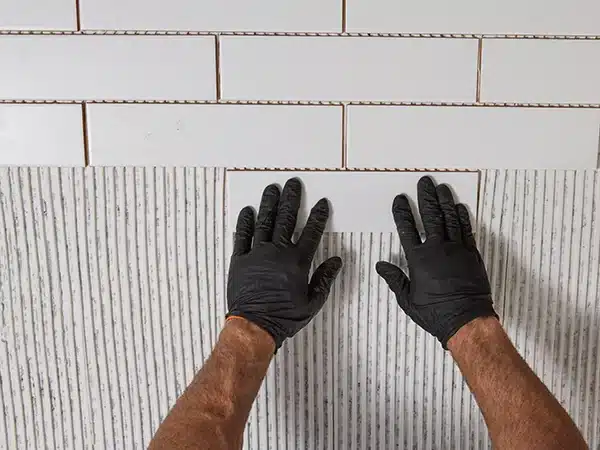
Improve water retention, workability, adhesion and anti-slip performance, helping achieve more stable and efficient tile installation.

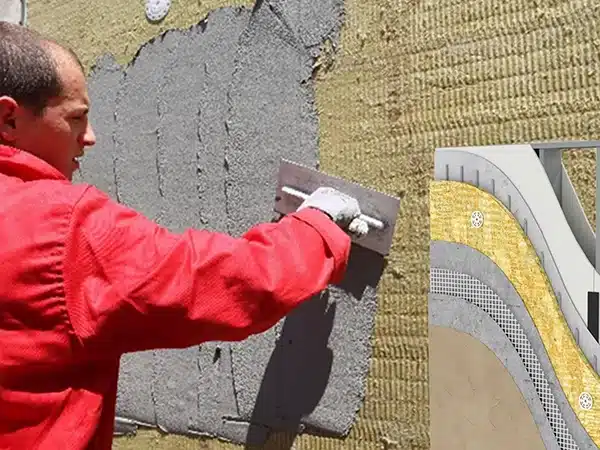
Improve mortar stability, anti-sagging performance and workability to meet the requirements of exterior wall insulation applications.

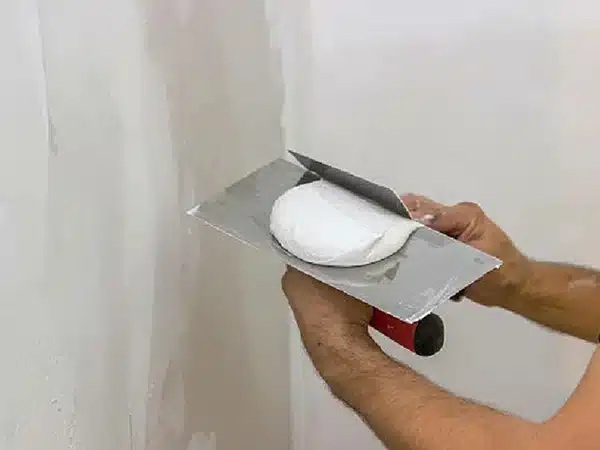
Improve workability, smoothness and crack resistance, providing a more consistent and efficient application experience.

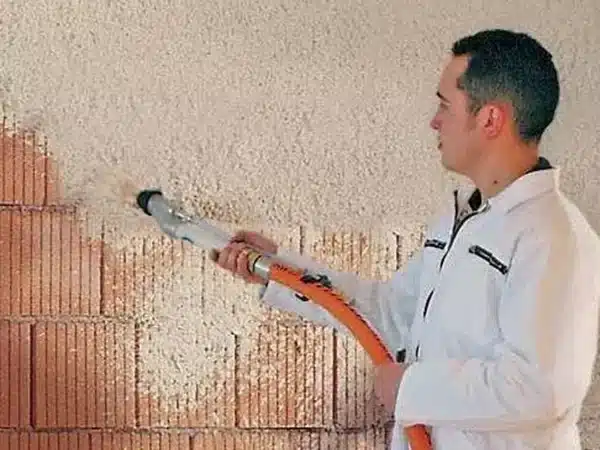
Provide excellent thickening and water retention, helping optimize mortar performance, workability and durability.

Used as a thickener, stabilizer and rheology modifier, HPMC is widely applied in various water-based formulations to improve viscosity, stability and product consistency.

Improve viscosity control, system stability and workability, helping optimize the performance and consistency of water-based formulations.
Precise Product Selection for Improved Water Retention and Workability
A Central Asian building materials customer mainly produces dry-mix mortars, plastering mortars and wall putty. Due to dry conditions and significant temperature variations in some local areas, the customer required improved water retention, workability and sag resistance during production and application.
Customer Requirements
MIKUR Solution
MIKUR analyzed the customer’s cement, aggregates, fillers and other additives, then optimized the HPMC grade, dosage and additive combination to identify a more suitable HPMC solution for the formulation.
Optimization Process:
HPMC Grade Selection → Dosage Optimization → Rheology Adjustment → Practical Application Testing
Application Results
After sample testing and formulation adjustment, the customer’s mortar showed:
The customer ultimately confirmed the HPMC grade and dosage suitable for its product system and applied the optimized solution in subsequent production.
MIKUR Technical Support
MIKUR provides HPMC grade selection, sample testing and formulation optimization for dry-mix mortars, putty, tile adhesives, plastering mortars and gypsum-based materials, helping customers improve product performance and reduce formulation adjustment costs.
HPMC (Hydroxypropyl Methylcellulose) is widely used in wall putty, tile adhesives, insulation mortars, plastering mortars, dry-mix mortars and gypsum-based materials. It mainly provides water retention, thickening and rheology control to optimize mortar workability and formulation stability.
Excellent Water Retention and Reduced Moisture Loss
HPMC slows rapid water loss, providing a stable moisture environment for cement and gypsum hydration. Typical reference viscosity is 150,000–200,000 mPa·s, with a dosage of approximately 0.25%–0.40%, subject to formulation adjustment.
Thickening and Sag Resistance for Better Application
HPMC improves mortar cohesion and structural stability, making putty, plastering mortars and tile adhesives easier to apply. For systems requiring stronger sag resistance, HPMC can be combined with starch ether; a reference ratio is HPMC : starch ether ≈ 10:1.
Formulation Synergy for Optimized Performance
Depending on product requirements, HPMC can be combined with starch ether, powdered silane water-repellent agents, bentonite and other functional additives to improve thixotropy, sag resistance, water resistance and formulation stability.
HPMC (hydroxypropyl methylcellulose) is mainly used to improve water retention, thickening, rheology, sag resistance and workability in building materials. It is widely used in tile adhesives, wall putty, plastering mortars, insulation mortars and gypsum-based materials.
Not necessarily. Higher-viscosity HPMC generally provides stronger thickening and water retention, but excessive viscosity may affect mortar flow and application feel. Select viscosity according to the product type, formulation system and application requirements.
Dosage depends on mortar type, binder content, aggregate grading and target performance. For some building mortars, 0.25%–0.40% can be used as a reference range; the actual dosage should be optimized through formulation testing.
Consider water retention, thickening and workability together. For some mortars requiring stronger water retention and thickening, viscosity levels such as 150,000–200,000 mPa·s may be considered; final selection should be based on practical testing.
HPMC can improve water retention, application feel, open time, cohesion and slip resistance in tile adhesives, helping provide more stable installation performance.
HPMC improves wall putty water retention, spreadability, cohesion and sag resistance, helping create a more uniform and smooth application feel.
Yes. HPMC mainly provides water retention and thickening, while starch ether can further improve thixotropy and sag resistance. Some systems may use HPMC : starch ether ≈ 10:1 as a reference, with the actual ratio adjusted through formulation testing.
Yes. In waterproof and exterior wall mortars, HPMC can be combined with powdered silane water-repellent agents. For some systems, 0.2%–0.5% can be used as a reference dosage, with the actual dosage determined by water-resistance requirements.
Evaluate water retention, viscosity, application feel, sag resistance, open time and formulation stability through practical formulation testing, while considering the effects of cement, aggregates, fillers and other additives.
Yes. MIKUR can provide HPMC grade selection, sample testing and dosage optimization based on the customer’s product type, raw material system and target performance, helping determine a suitable HPMC product and formulation solution.