Superplasticizer Concrete | Polycarboxylate Ether Powder

High-performance polycarboxylate superplasticizer solutions for concrete and dry-mix mortar, delivering high water reduction and excellent workability.

25–40% Water Reduction*

0.1–0.5% Typical Dosage*

2–6h Slump Retention*

Superplasticizer Supplier

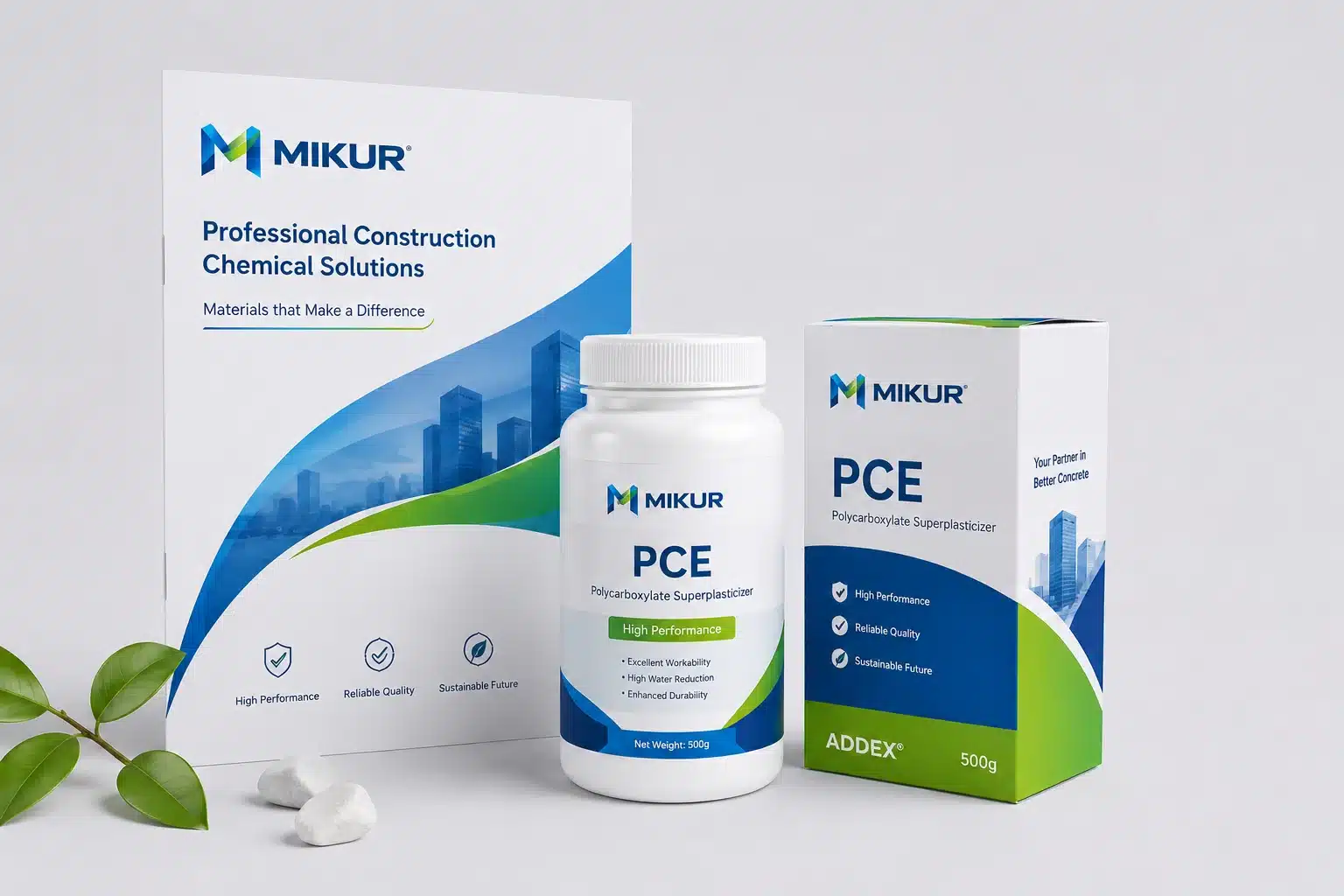
Mikur supplies polycarboxylate ether (PCE) superplasticizers for concrete, dry-mix mortar and other cement-based applications. Our main product range includes multiple powder grades for different requirements in water reduction, slump retention, workability and cement compatibility.

Polycarboxylate ether is our primary superplasticizer technology, with products used in ready-mix concrete, precast concrete, self-compacting concrete, high-performance concrete and dry-mix mortar. We also supply SM (melamine-based) and SNF (naphthalene-based) superplasticizers for applications where specific performance requirements or cost considerations call for alternative technologies.

Our product range allows customers to select a suitable grade based on cement type, supplementary cementitious materials, target water reduction, required slump retention and application conditions. We also support product trials, dosage adjustment and formulation optimization before commercial production.

PCE is our core product line, while SM and SNF provide additional options for specific concrete and cement-based applications.

Multiple Superplasticizer Admixture Grades

Il présente un taux de réduction d'eau élevé, une excellente vitesse de plastification et une grande efficacité sur les matériaux à base de gypse ; il peut également être utilisé dans les produits à base de ciment, grâce à sa large compatibilité avec les matériaux.

Il présente un taux de réduction d'eau élevé, une vitesse de plastification rapide dans le mortier et une excellente compatibilité avec les matériaux ; il convient aux mortiers spéciaux caractérisés par un faible rapport eau/liant, une fluidité élevée et une résistance élevée.

Il présente un excellent taux de réduction de la teneur en eau et une fonction anti-mousse intégrée, ainsi qu'une vitesse de plastification rapide dans le mortier ; il convient à tous les types de mortiers spéciaux.

Superplasticizer Specifications

ModèleBulk DensityMoisture Content(20℃)Water Reduction RatePH ValueRecommended DosageApplications
PC1701500-750 kg/m³≤4%≥25%7--90.1-0.4%Grouting material, pressure grouting material, polymer repair mortar, bearing mortar, wearresistant floor, self-leveling mortar, high ductility concrete, pavement repair mortar, etc.
PC570450 -700 kg/m³≤4%≥35%7--90.06-0.3%UHPC, wind power foundation grouting material, steel sleeve grouting material for steel bar
connection, high-fluidity grouting material, bearing mortar, pressure grouting material, self-leveling
mortar, high ductility concrete, pavement repair mortar, etc.
PC560400 -700 kg/m³≤4%≥35%7--90.06-0.3%Cement-based self-leveling mortar, pressure grouting material, tunnel grouting material, general
grouting material, wind power foundation grouting material, steel sleeve grouting material, highfluidity grouting material, bearing mortar, high ductility concrete, pavement repair mortar, etc.
PC860450 -700 kg/m³≤4%≥35%7--90.1-0.4%Gypsum-based self-leveling mortar, plastering gypsum, gypsum putty, gypsum joint filler, high- strength gypsum, prefabricated components; also applicable for pressure grouting material, grouting material, bearing mortar, high ductility concrete, pavement repair mortar, etc.
PC960450 -700 kg/m³≤4%≥35%7--90.1-0.4%Gypsum-based self-leveling mortar, plastering gypsum, gypsum putty, gypsum joint filler, high- strength gypsum, prefabricated gypsum components, etc.
PC530450 -700 kg/m³≤4%≥35%7--90.1-0.4%Pressure grouting material, self-leveling mortar, general grouting material, bearing mortar, tunnel
grouting material, wind power foundation grouting material, steel sleeve grouting material, etc.
PC1000450 -700 kg/m³≤4%≥35%7--80.03-0.2%Self-leveling mortar, general grouting material, pressure grouting material, bearing mortar, UHPC,
tunnel grouting material, wind power foundation grouting material, steel sleeve grouting material, etc.
SM430500 -700 kg/m³≤4%≥14%6--90.2-1%Self-leveling mortar, repair mortar, joint filler, floor hardener, terrazzo floor, GRC components, gypsum joint filler, waterproof mortar, wear-resistant floor, grouting material, pressure grouting
material, tunnel grouting slurry, etc.
superplasticizer in concrete

High Water Reduction with Superplasticizers

High Efficiency at Low Dosage

Our polycarboxylate-based superplasticizer powder contains ≥96% solid content, providing a high concentration of active material compared with conventional liquid PCE products.

With a typical dosage of 0.1%–0.5% of the total cementitious material, and around 0.2% in many formulations, the product can achieve approximately 25%–40% water reduction under suitable formulation and testing conditions.

By reducing the water-to-binder ratio while maintaining the required workability, the superplasticizer helps improve the density of mortar and concrete and supports both early- and later-age strength development. A lower water-to-binder ratio can also contribute to improved resistance to water penetration, freezing, and cracking when the overall formulation is properly designed.

Key Benefits

* ≥96% solid content
* 0.1%–0.5% typical dosage
* 25%–40% water reduction
* Lower water-to-binder ratio
* Improved density and strength development

Superplasticizer in Concrete: Slump Retention & Workability

Stable Flowability for Extended Working Time

The comb-shaped molecular structure of polycarboxylate-based superplasticizers disperses cement particles through a combination of electrostatic repulsion and steric hindrance. Different grades can be selected according to the required initial flowability, workability, and slump retention.

Selected grades can provide 2–6 hours of slump retention, depending on cement characteristics, formulation, ambient temperature, dosage, and testing conditions.

The powder form also helps avoid concentration changes associated with water evaporation during storage. This makes PCE powder particularly suitable for dry-mix formulations and applications requiring extended working time, including self-leveling materials, grouting materials, dry-mix mortars, and concrete transported over long distances.

Key Benefits

* Stable flowability
* Adjustable slump retention
* 2–6 hours for selected grades
* Extended working time
* Suitable for dry-mix formulations
* Improved workability for demanding applications

superplasticizer admixture for concrete
How do superplasticizers work

Polycarboxylate Superplasticizer for Different Cement Systems

Wide Cement Compatibility and Stable Dispersion

Superplasticizer performance can vary significantly depending on clinker composition, C₃A content, gypsum type, cement fineness, and supplementary cementitious materials. Mikur offers multiple PCE grades that can be selected according to different cement and binder systems.

Applications may include ordinary Portland cement (OPC), slag cement, fly ash blended cement, composite cement, and selected gypsum-based systems.

For high-C₃A cement, increased admixture adsorption may lead to faster loss of flowability. High-carbon or high-loss-on-ignition fly ash can have a similar effect by increasing admixture demand. In these cases, the appropriate PCE grade and dosage should be determined through laboratory testing.

When introducing a new cement source or making a significant formulation change, cement paste compatibility testing and concrete trials are recommended before commercial production.

Key Benefits

* Broad cement compatibility
* Suitable for blended cement systems
* Adaptable to different cement compositions
* Stable cement particle dispersion
* Better control of workability
* Reduced risk of bleeding and segregation when properly formulated

Superplasticizer Grades & Customized Solutions

Multiple Grades for Different Concrete and Mortar Applications

Different concrete and cement-based applications require different levels of water reduction, slump retention, workability, strength development, and cost efficiency.

Polycarboxylate ether (PCE) is Mikur’s primary superplasticizer technology. Our product range includes multiple powder grades designed for different concrete and dry-mix mortar formulation requirements.

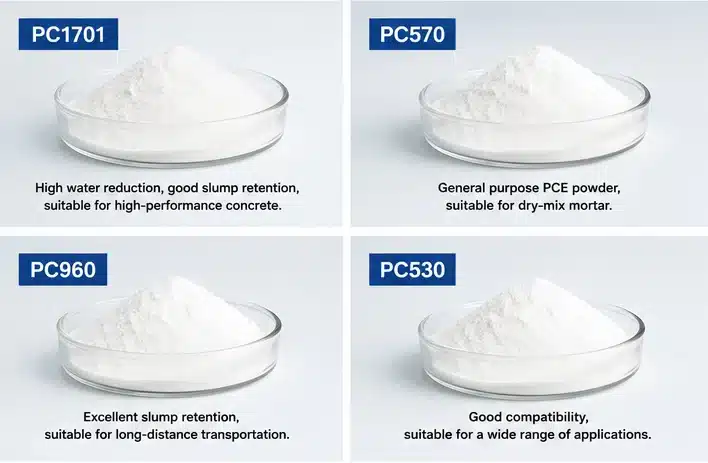
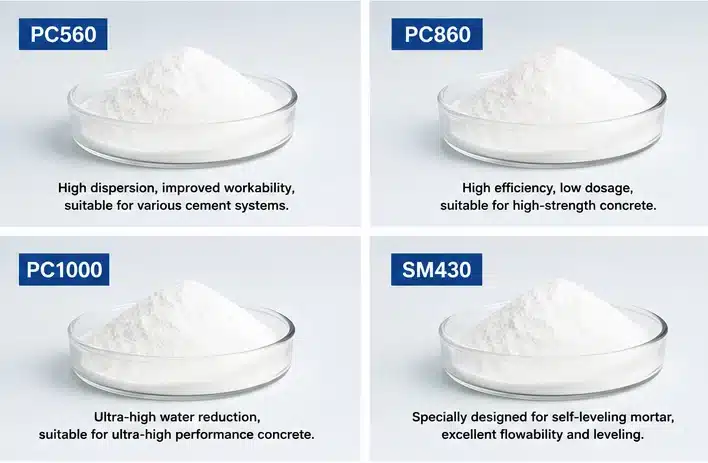
Available grades include PC1701, PC570, PC560, PC860, PC960, PC530, PC1000, and SM430, subject to the latest product specifications.

Product selection can be based on:

* Cement type and composition
* C₃A and gypsum characteristics
* Target water reduction
* Required slump retention
* Concrete or mortar application
* Desired flowability
* Recommended dosage
* Supplementary cementitious materials
* Temperature and transportation conditions

For applications with specific material requirements, low-chloride, low-alkali, or other controlled-composition grades can be selected according to the applicable product specification.

Mikur also provides sample testing, grade selection, dosage optimization, and formulation adjustment based on the customer’s cement, supplementary cementitious materials, concrete or mortar formulation, and actual application conditions.

This allows customers to evaluate product performance under their own conditions before moving to large-scale production or long-term supply.

Key Benefits

* Multiple PCE powder grades
* Solutions for concrete and dry-mix mortar
* Flexible grade selection
* Application-specific formulation support
* Sample testing available
* Dosage optimization
* Customized technical solutions
* Support for long-term and large-volume supply

superplasticizer production line for factory

Why Choose Mikur Superplasticizer for Concrete?

As a professional water reducing agent manufacturer, we deliver consistent quality, reliable performance, competitive pricing, and responsive technical support for global customers.

Tsinghua-Inspired PCE Technology

Backed by Tsinghua-inspired technology, Mikur has developed proprietary expertise in polycarboxylate superplasticizers, with patented technologies and continuous R&D focused on product performance and formulation optimization. Patented Technology · Continuous R&D

Proven Superplasticizer Experience

With 34 years of experience in superplasticizer formulation, manufacturing, and technical service, Mikur understands the performance requirements of different cement systems and concrete applications. 34+ Years · Consistent Quality · Proven Performance

Reliable Supply for Global Projects

With three production bases and a combined annual capacity of 120,000 MT, Mikur provides stable PCE supply for regular orders, large-volume procurement, and long-term construction projects. 3 Production Bases · 120,000 MT/Year · Reliable Supply

Formulated for Your Application

Different cement, aggregate, climate, and construction conditions require different PCE solutions. Mikur provides grade selection, dosage optimization, free samples, and one-to-one technical support to help customers identify the right product for their formulation. Free Samples · Grade Selection · Technical Support

PCE Polycarboxylate Superplasticizer | Versatile Applications in Concrete and Mortar

PCE Polycarboxylate Superplasticizer offers high water reduction, excellent workability, slump retention, and strong compatibility with different cementitious materials. It is widely used in ready-mix concrete, precast concrete, high-performance concrete, dry-mix mortar, and specialty mortar, providing stable, efficient, and customizable solutions for diverse construction and production needs.

superplasticizer application in Ready-Mix Concrete

Ready-Mix Concrete

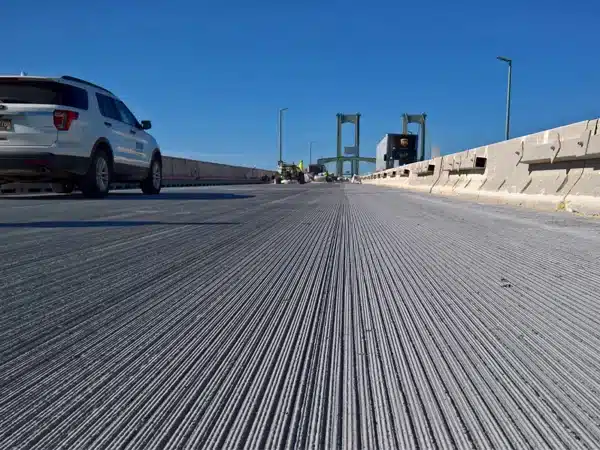
Suitable for ready-mix concrete plants and a wide range of construction projects. PCE superplasticizers improve concrete workability, flowability, and pumpability while supporting consistent production across different strength grades and construction conditions.
superplasticizer application in High-Performance Concrete

High-Performance Concrete

Designed for high-strength concrete, self-compacting concrete (SCC), ultra-high-performance concrete (UHPC), and other applications requiring superior flowability, strength, and durability. Our PCE solutions help ensure stable and efficient high-performance concrete production.
superplasticizer application in Bridges

Bridges, High-Speed Rail & Major Infrastructure

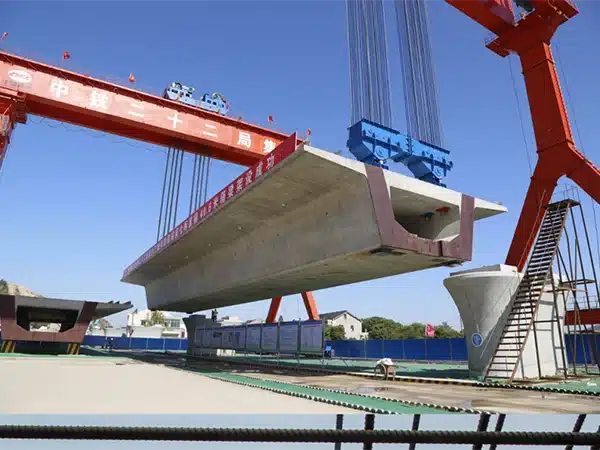
Widely used in bridges, high-speed railways, tunnels, highways, water conservancy and hydropower projects, ports, airports, and other major infrastructure. We provide tailored PCE solutions based on raw materials, construction conditions, and specific project requirements.
superplasticizer application in Precast Concrete

Precast Concrete & Modular Construction

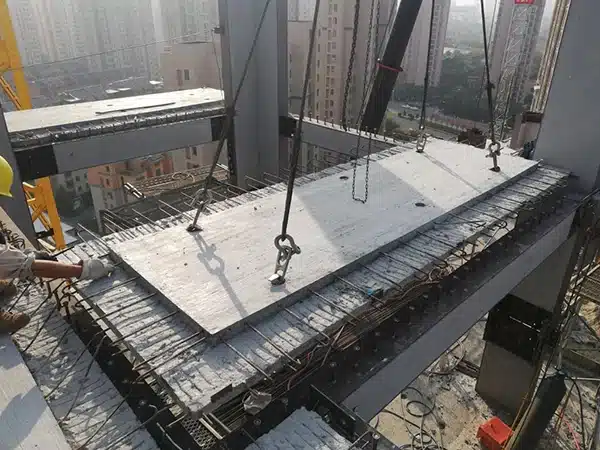
Suitable for the production of precast beams, columns, tunnel segments, concrete piles, pipes, and other precast concrete components. PCE superplasticizers support rapid forming, high early strength, and consistent production, helping improve the efficiency of precast and modular construction.
superplasticizer application in Dry-Mix Mortar

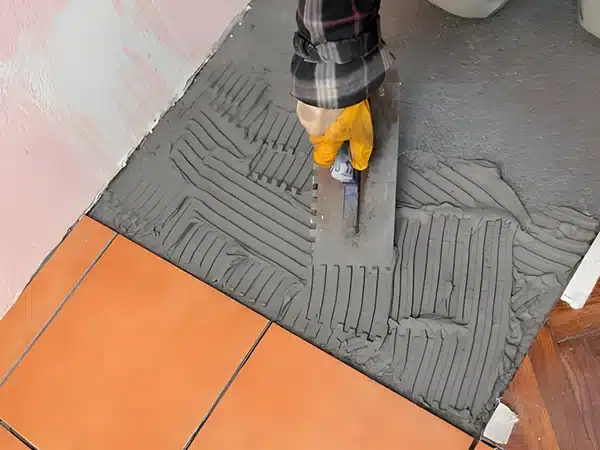
Dry-Mix & Construction Mortar

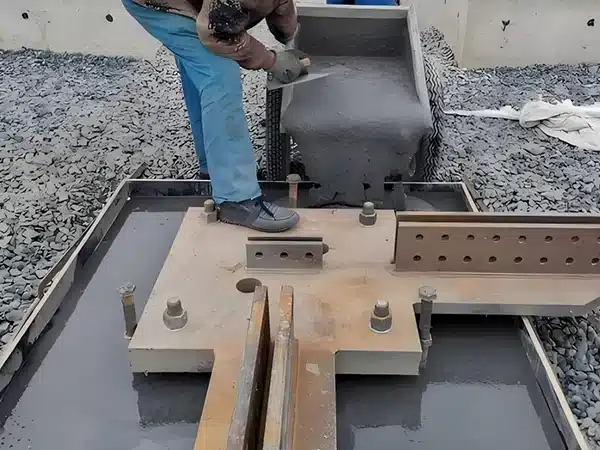
Used in dry-mix mortar, masonry mortar, plastering mortar, floor screed, and other mortar products. PCE helps improve flowability, workability, and application performance, contributing to more consistent and efficient mortar production.
PCE superplasticizer application in Specialty Mortar

Specialty Mortar & Functional Materials

Suitable for self-leveling mortar, grout, repair mortar, flooring materials, and other products requiring specific flowability, strength, and construction performance. Customized PCE solutions can be developed according to different formulation systems, raw materials, and customer requirements.

Featured Water Reducer Solutions

32%+ Water Reduction for Ready-Mix Concrete

A large ready-mix concrete project in Henan, China uses MIKUR Polycarboxylate Superplasticizer to improve concrete performance and material efficiency. Through formulation optimization and mix testing, the project achieved over 32% water reduction and saved approximately 30 kg of cement per m³. After three years of continuous application, total cement savings exceeded RMB 1 million.

Polycarboxylate Superplasticizer for African Infrastructure

MIKUR supplied two containers of Polycarboxylate Superplasticizer for an infrastructure project in Africa. After ocean transportation and inland delivery, the products arrived safely at the construction site. The selected PCE grade provided high water reduction, good slump retention, and adaptability to hot-weather conditions, supporting reliable concrete production for local infrastructure construction.

PCE Superplasticizer FAQs

What Is Superplasticizer Used for in Concrete?

Superplasticizer is a high-performance concrete admixture used to reduce water demand while maintaining the required workability. By dispersing cement particles, it can improve flowability and allow a lower water-to-binder ratio.

Depending on the product type and formulation, superplasticizers can also contribute to improved concrete strength, density and durability.

Superplasticizers can be used with a wide range of cement systems, including ordinary Portland cement (OPC), slag cement, fly ash blended cement and composite cement.

OPC 42.5 and 52.5 are among the common cement grades used with polycarboxylate-based products.

However, cement from different manufacturers or production batches can have different clinker composition, C₃A content and gypsum characteristics. For a new cement source, cement paste compatibility testing and concrete trials are recommended before commercial production.

Yes. Ordinary Portland cement (OPC) is one of the main applications for polycarboxylate superplasticizers.

Different grades can be selected according to the cement composition and required water reduction or slump retention.

For OPC with relatively high C₃A content, faster loss of workability may occur. A slump-retaining grade or dosage adjustment may be required depending on test results.

Yes. Ordinary Portland cement (OPC) is one of the main applications for polycarboxylate superplasticizers.

Different grades can be selected according to the cement composition and required water reduction or slump retention.

For OPC with relatively high C₃A content, faster loss of workability may occur. A slump-retaining grade or dosage adjustment may be required depending on test results.

Yes. Superplasticizers are widely used in cementitious systems containing fly ash and GGBS (ground granulated blast-furnace slag).

Polycarboxylate-based products can provide effective dispersion in blended binder systems and are commonly used in ready-mix and precast concrete.

The quality of fly ash can affect performance. High-carbon or high-loss-on-ignition fly ash may adsorb more admixture and cause faster flowability loss. In these cases, product selection and dosage should be optimized through testing.

GGBS generally shows good compatibility with polycarboxylate-based superplasticizers and is widely used together with OPC in concrete formulations.

Yes. Superplasticizers are widely used in cementitious systems containing fly ash and GGBS (ground granulated blast-furnace slag).

Polycarboxylate-based products can provide effective dispersion in blended binder systems and are commonly used in ready-mix and precast concrete.

The quality of fly ash can affect performance. High-carbon or high-loss-on-ignition fly ash may adsorb more admixture and cause faster flowability loss. In these cases, product selection and dosage should be optimized through testing.

GGBS generally shows good compatibility with polycarboxylate-based superplasticizers and is widely used together with OPC in concrete formulations.

Yes, but high-C₃A cement requires more careful product selection and testing.

Higher C₃A content can increase admixture adsorption and may lead to faster loss of concrete flowability.

For these systems, we recommend evaluating slump-retaining grades, dosage and flowability at different time intervals before commercial production.

It can be used in selected calcium aluminate cement (CAC) formulations, but compatibility should be evaluated separately from conventional Portland cement systems.

CAC has different mineral composition and hydration characteristics, so a superplasticizer grade that performs well with OPC may not provide the same results with CAC.

Laboratory testing is recommended to evaluate flowability, setting behavior, dosage sensitivity and compatibility before production.

Not necessarily.

If the cement system remains essentially unchanged and only the mix ratio, temperature or other conditions vary slightly, adjusting the dosage may be sufficient.

A different grade may be required when:

The cement supplier changes significantly
C₃A or gypsum characteristics change
The binder system changes
The application changes from conventional concrete to UHPC or self-leveling mortar
Severe flowability loss occurs
Abnormal setting or excessive bleeding appears
Dosage adjustment cannot resolve the compatibility issue

The dosage depends on the product grade, cement characteristics, water-to-binder ratio and required workability.

For many polycarboxylate powder formulations, a typical dosage is approximately 0.1%–0.5% of the total cementitious material, but the optimum dosage should be determined through laboratory or concrete trials.

Higher or lower dosages may be appropriate depending on the formulation and performance target.

Grade selection depends on several factors, including:

Cement type and composition
C₃A content
Gypsum system
Fly ash or GGBS content
Required water reduction
Initial flowability
Required slump retention
Concrete or mortar application
Temperature and transportation time

Mikur can recommend a suitable grade based on the customer’s raw materials and target performance, followed by sample testing and dosage optimization where required.

Yes. Mikur provides product selection, sample testing, dosage adjustment and formulation support for different concrete and cement-based applications.

For customers using new or locally sourced cement and supplementary cementitious materials, testing can be used to evaluate compatibility and determine a suitable grade and dosage before commercial production.

Yes. Polycarboxylate ether (PCE) is Mikur’s main superplasticizer product line, with multiple powder grades for different concrete and mortar applications.

We also supply SM (melamine-based) and SNF (naphthalene-based) superplasticizers for applications requiring different performance characteristics or cost considerations.

Yes. Product samples can be provided for customers to evaluate cement compatibility, water reduction, flowability, slump retention and dosage requirements before moving to commercial production.

For more demanding applications, sample testing with the customer’s actual cement and supplementary cementitious materials is recommended.

Obtenir un devis